Join our mailing list. We never spam.

Recent content from InBody USA

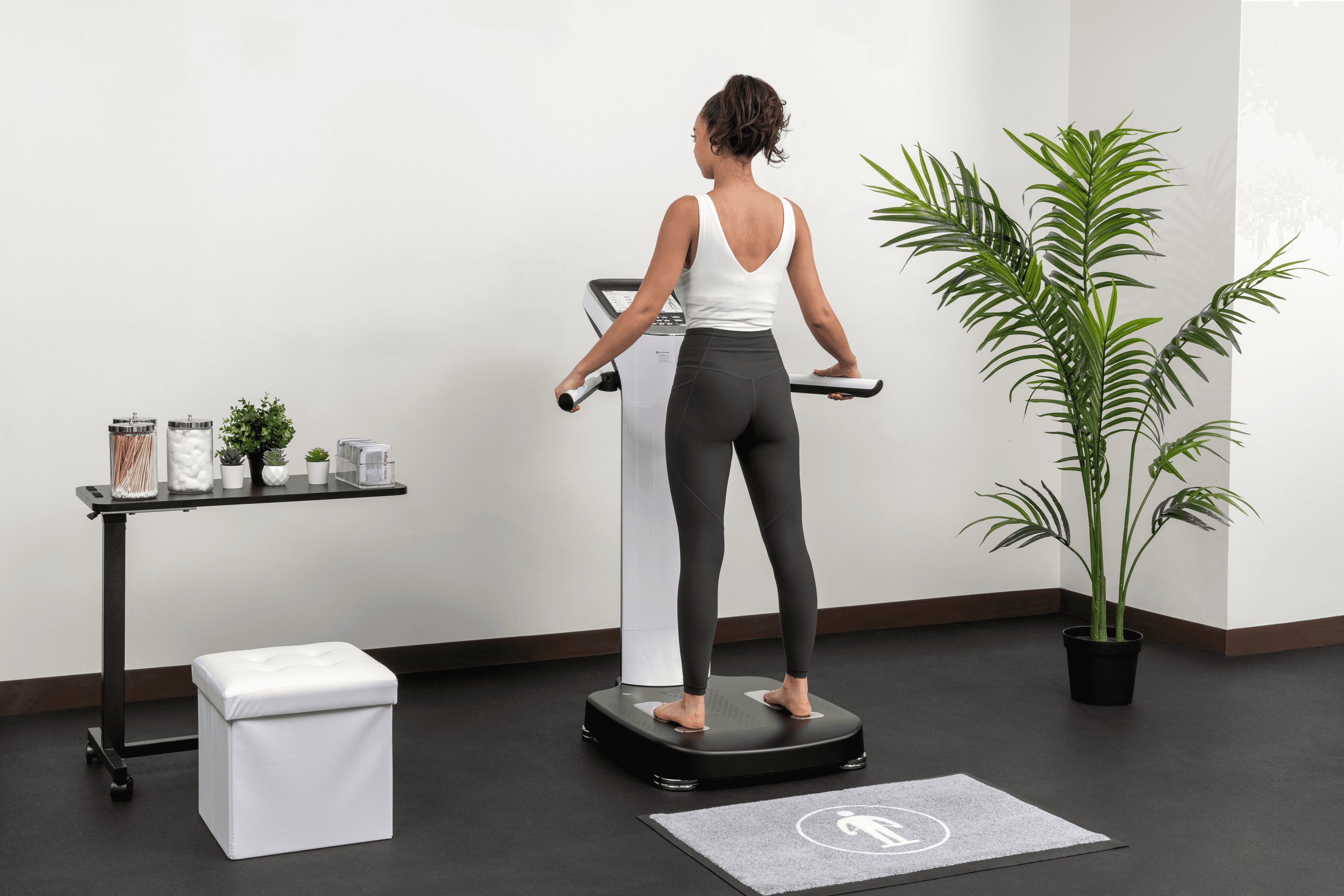
A woman standing on an InBody body composition analyzer for a professional body fat percentage test.

Health

Jul 17, 2026

25% Body Fat: What It Means for Your Health, Appearance, and Goals

Body fat percentage is one of the more informative health metrics available, yet it is also commonly misunderstood. At 25% body fat, you're in a range that means very different things depending on your sex, age, and goals. What these numbers mean in practice depends on a range of individual factors.

This article covers what 25% body fat means, how it looks, how it may affect health and performance, and how it can be measured accurately.

What Does 25% Body Fat Mean?

Body fat percentage is the proportion of your total body weight made up of fat mass. At 25% body fat, one quarter of your body weight is fat; the rest is lean mass, which includes muscle, bone, organs, and water.

25% body fat for men sits at the upper end of the "acceptable" range and borders on "overweight" by most classification systems. For women, 25% falls squarely in the "fitness" or "average" category, depending on the chart you reference. Age matters, too; what's considered normal shifts upward as we get older.

This number alone doesn't tell the whole story. Where your fat is stored (visceral vs. subcutaneous) often matters more than the total percentage.

Is 25% Body Fat Healthy?

For most women, yes, 25% body fat is within a healthy range. The American Council on Exercise classifies 25–31% as "average" for women and 18–24% as "fitness" level. For men, 25% falls into the “above average” range, where some health risk markers may begin to increase slightly.

The bigger concern isn't necessarily the number itself but what's driving it. High visceral fat, the kind that wraps around your organs, carries real metabolic risk regardless of your overall percentage. Two people at 25% body fat can have very different health profiles.

Blood pressure, blood sugar, cholesterol, and activity level all paint a more complete picture than body fat percentage alone.

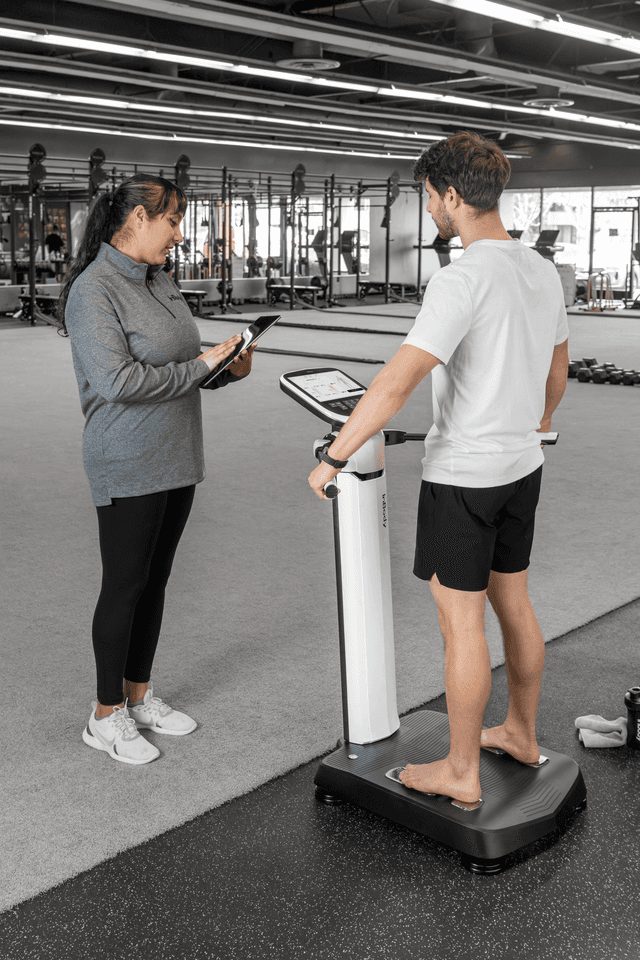
A fitness professional using a tablet to review body composition data with a client standing on an InBody professional body composition analyzer in a gym.

What 25% Body Fat Looks Like

Visually, 25% body fat looks different on different frames. For men, it typically means a soft midsection with little visible muscle definition. The abs are not visible, and there's noticeable fat around the waist and lower back.

For women, 25% often looks quite lean. There's a defined shape, some muscle tone visible in the arms and legs, and modest fat coverage over the abdomen. Many women at this percentage would be considered athletic-looking by everyday standards.

Body composition also plays a role. A person carrying more muscle at 25% fat will look noticeably leaner than someone with less muscle at the same fat percentage.

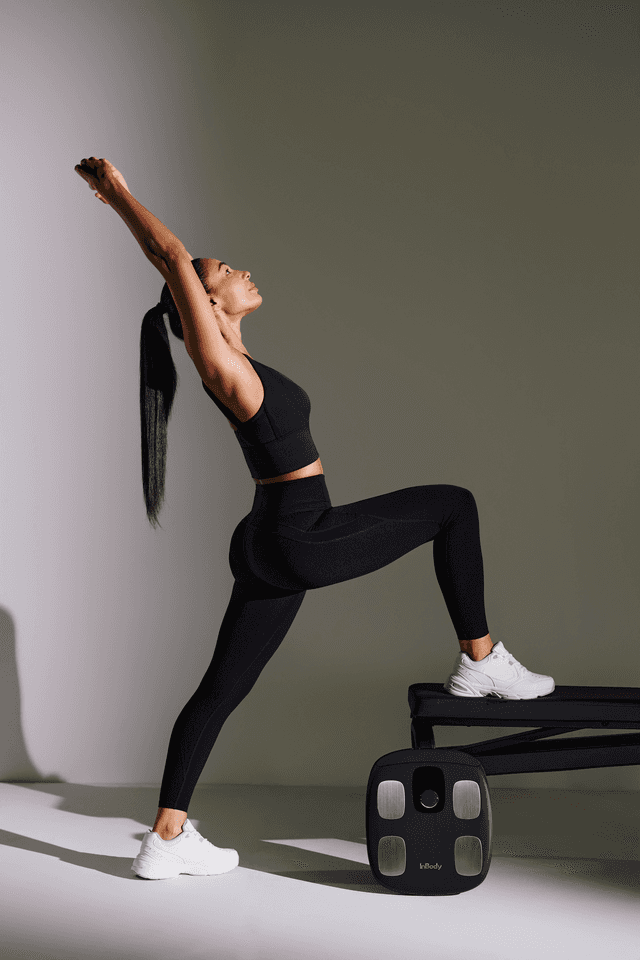
A fit woman in athletic wear stretching near an InBody H30 body composition scale on a studio floor.

How 25% Body Fat Affects Performance

Body fat percentage can have a meaningful impact on physical output. Carrying excess fat adds load without contributing to strength or power.

At 25% body fat, most people can still perform well in general fitness activities. But endurance tends to suffer more than strength. If you’re a recreational athlete, you may notice slower run times or reduced stamina compared to leaner counterparts.

For most non-competitive exercisers, 25% body fat is not generally considered a significant performance barrier. Strength building, cardiovascular fitness, and general physical activity remain accessible at this level.

Should You Reduce 25% Body Fat?

The answer depends heavily on your sex, goals, and current health markers.

For women, 25% is often within a reasonable range to maintain, particularly when other health markers such as bloodwork are within normal limits.

For men with health concerns or athletic goals, reducing by 15–20% may offer meaningful benefits.

Whether reducing body fat is worthwhile depends on whether the goal is health-related or aesthetic.

Both are valid considerations, though they typically involve different approaches and timelines.

Reducing body fat generally requires sustained effort. When current levels are not associated with health concerns, more moderate approaches are often more appropriate than aggressive caloric restriction.

How Body Fat Is Typically Reduced

Reducing body fat is generally associated with a combination of factors: a moderate calorie deficit, adequate protein intake, resistance training, and consistent cardio.

  • Calorie deficit: A deficit of 300–500 calories below daily maintenance is commonly recommended. More aggressive cuts may result in muscle loss alongside fat loss.

  • Protein: An intake of 0.7–1g per pound of bodyweight is commonly associated with lean mass preservation during a caloric deficit.

  • Resistance training: Training 3–4 days per week is commonly recommended to help preserve muscle mass during fat loss.

  • Cardio: Cardiovascular exercise can contribute to calorie expenditure without requiring further dietary restriction. Zone 2 cardio, performed at a conversational pace, is often considered a sustainable approach.

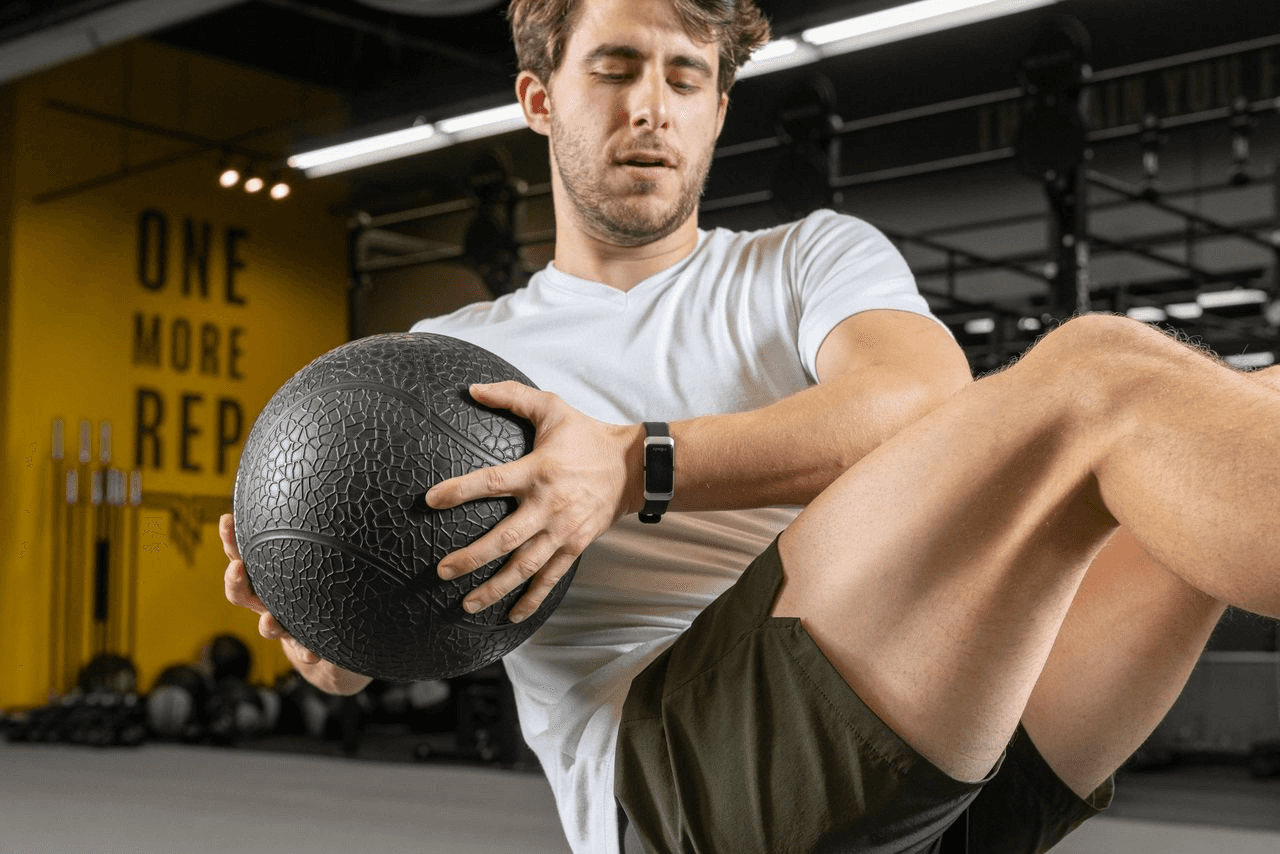
A man performing a medicine ball Russian twist exercise in a modern gym with "ONE MORE REP" signage in the background.

How to Measure Body Fat Accurately

The most appropriate measurement method generally depends on budget, access, and the level of precision required.

Method

Accuracy

Cost

Best For

Key Advantage

InBody Body Composition

High (when consistent)

Free–$100 per scan

Tracking progress over time

Fast, non-invasive, and highly repeatable for monitoring trends

DEXA Scan

Very High

$50–$250 per scan

Establishing a precise baseline

Gold-standard detail, including bone density and fat distribution

Skinfold Calipers

Moderate (operator-dependent)

$20–$50 per session

Frequent, budget-friendly tracking

Accessible and effective when performed consistently by the same technician

Smart Scale Estimates

Low

One-time purchase

General awareness

Convenient, but often inconsistent and influenced by hydration

Key Takeaways

  • 25% body fat means one quarter of your total body weight is fat mass, the rest is muscle, bone, organs, and water.

  • For women, 25% falls within a healthy, normal range. For men, it sits at the upper end of acceptable and is worth monitoring.

  • Where fat is stored matters as much as the number itself. High visceral fat carries metabolic risk regardless of your overall percentage.

  • Two people at 25% body fat can look completely different depending on how much muscle mass they're carrying.

  • At this percentage, most people can still train, build strength, and live actively without meaningful limitation.

  • Reducing body fat comes down to four levers: a moderate calorie deficit, adequate protein, resistance training, and consistent cardio.

  • The most reliable ways to measure body fat are InBody scans, DEXA scans, and skinfold calipers. Smart scales are convenient but inconsistent.

  • Before chasing a lower number, ask whether it's driven by health or aesthetics. Both are valid, but they lead to different strategies.

Bottom Line

At 25% body fat, the picture varies by sex and individual health markers. For women, it's a healthy, normal range. For men, 25% body fat is a level where monitoring health markers and activity levels may be worth consideration.

Understanding body fat percentage in context, and measuring it accurately over time, can support more informed decisions about health and body composition.

A split-screen image showing a man in athletic wear on the left and a woman in workout attire on the right, both standing against a neutral grey background.

Health

May 18, 2026

30% Body Fat: What It Looks Like, What It Means, and What to Do Next

If you’ve measured your body fat and landed at 30% body fat, you’re probably wondering what that actually means. Is it dangerous? Is it normal? Does it even matter if you feel fine?

The short answer: it depends on who you are. For some people, 30% body fat is a mild red flag. For others, it's squarely within an acceptable range. But to make sense of it, you need more than a number; you need context. This guide explains what 30% body fat means, what it looks like on a real body, and how to measure it accurately.
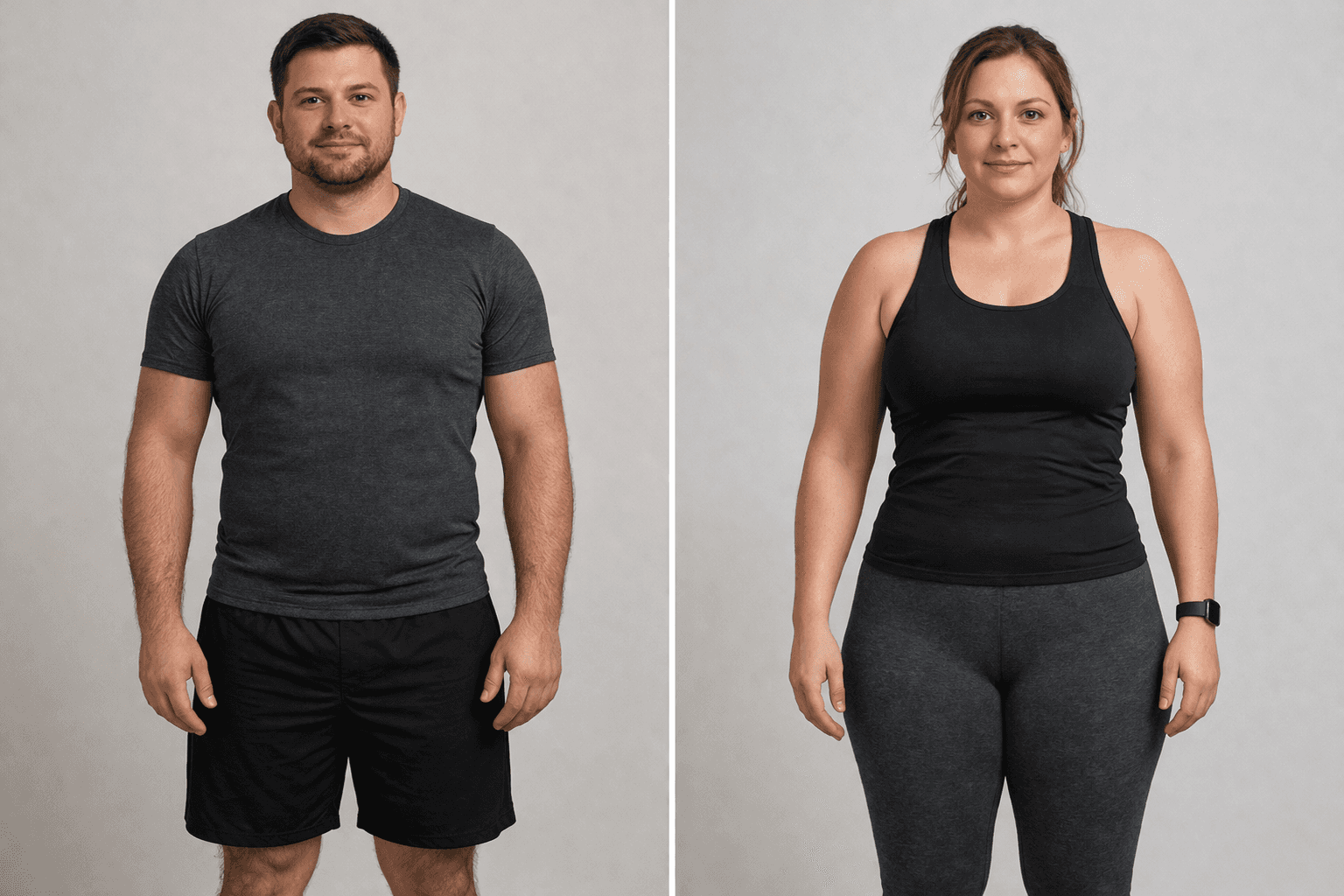
A split-screen image showing a man in athletic wear on the left and a woman in workout attire on the right, both standing against a neutral grey background.

What Is 30% Body Fat?

Body fat percentage is the proportion of your total body weight that's made up of fat tissue. So if you weigh 150 pounds and carry 45 pounds of fat, your body fat percentage is 30%.

The rest of your weight, the other 70%, is called lean mass. That includes muscle, bone, organs, water, and connective tissue. Body fat itself isn't inherently bad: it's necessary. Fat stores energy, cushions organs, regulates hormones, and supports brain function. The problem isn't fat itself; it's having too much of it relative to your lean mass.

At 30%, this represents a higher proportion of body fat relative to lean mass. Depending on your sex, age, and fitness level, this could range from borderline acceptable to moderately above a healthy threshold.

To put that into context, widely used classifications from organizations like the American Council on Exercise (ACE) break body fat ranges down like this:

Category

Men

Women

Essential Fat

2–5%

10–13%

Athletes

6–13%

14–20%

Fitness

14–17%

21–24%

Acceptable

18–24%

25–31%

Obese

25%+

32%+

This shows that 30% body fat is interpreted differently depending on sex. For men, it falls into the obese category. For women, it sits at the upper end of the acceptable range, just below the threshold typically classified as obesity.

Body composition, explained.

Understand what fat mass, skeletal muscle mass, and body water reveal that BMI can't.

What is body composition?

What Does 30% Body Fat Look Like?

Visually, 30% body fat doesn't look the same on everyone. Height, muscle mass, bone structure, and where your body stores fat all shape the picture. That said, there are general patterns worth knowing.

30% Body Fat in Men

For men, 30% body fat is typically noticeable. A soft, rounded midsection is commonly observed, with abdominal fat visible both standing and sitting. The waistline is wider than the hips in many cases, and there's little visible muscle definition. Arms, thighs, and chest may appear soft rather than toned.

Face and neck can show some fullness, and love handles are common. At this level, a man is generally in the "obese" classification by most clinical standards, even if he doesn't appear extremely overweight in clothing.

 A man in a dark grey t-shirt standing inside a gym with treadmills and weight racks in the background.

30% Body Fat in Women

For women, 30% body fat looks quite different, and it's classified differently, too. Most health organizations consider 25–31% body fat to be in the "acceptable" to "average" range for women. At exactly 30%, a woman might have a soft but not dramatically round physique.

Some muscle definition may still be visible, particularly in the arms and legs, though the midsection tends to carry visible softness. Hips and thighs often carry a larger share of fat in women due to hormonal fat distribution patterns. Many women at 30% may not appear clinically overweight and can look average in everyday settings.

The takeaway: the same percentage looks and functions very differently depending on sex.
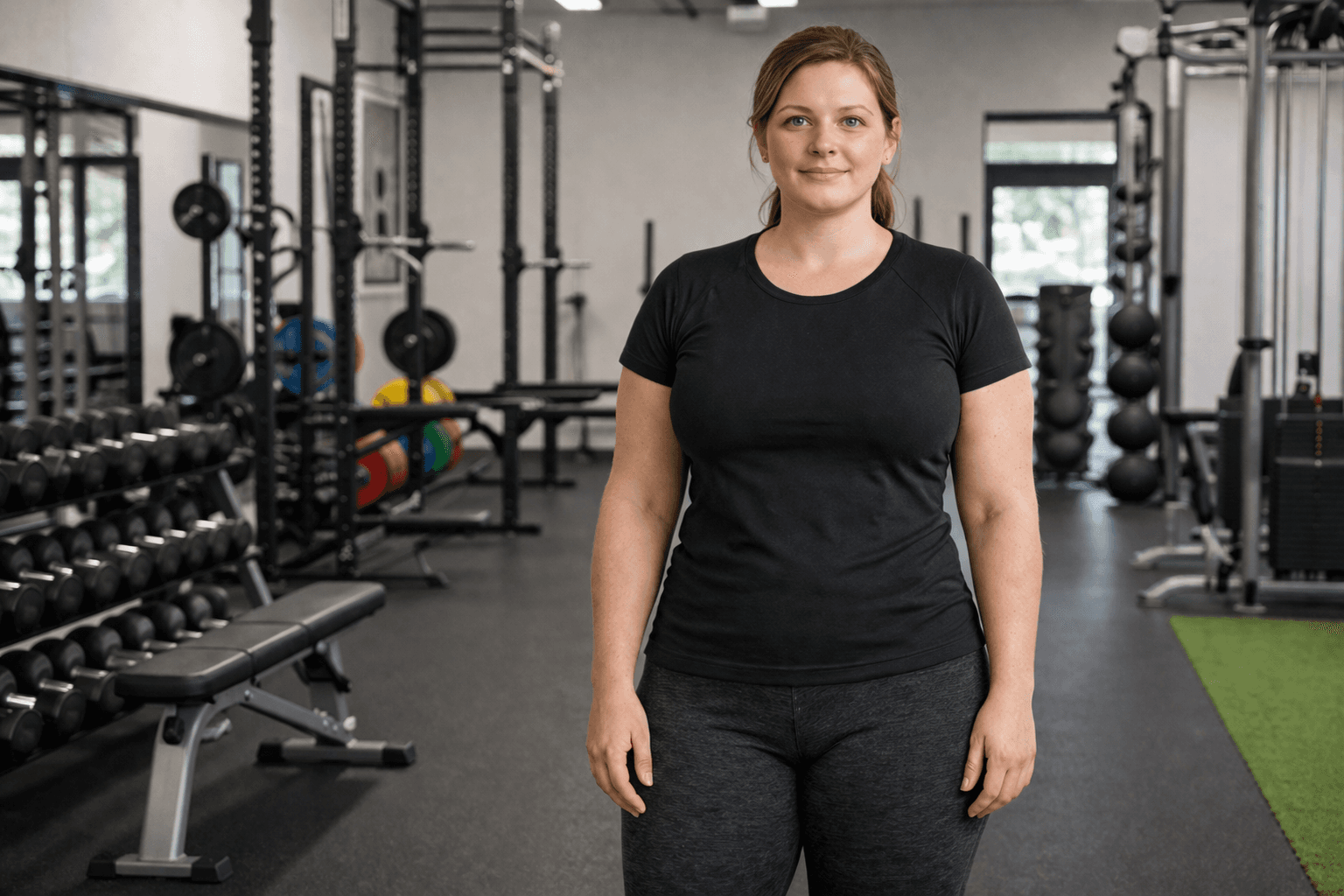
A woman in a black t-shirt standing inside a gym with weight racks and dumbbells in the background.

Is 30% Body Fat Healthy?

Health is about more than aesthetics.

For Men

For men, 30% body fat is generally considered high enough to impact long-term health. At 30%, the associated health risks start to become more relevant, including increased likelihood of insulin resistance, elevated triglycerides, higher blood pressure, and greater cardiovascular strain. A key factor here is visceral fat, the fat stored around internal organs, which tends to increase at higher body fat levels and is strongly linked to metabolic disease.

This does not mean every man at 30% body fat is unhealthy or at immediate risk. But it does mean the risk profile is elevated compared to someone in the 15–20% range. If metabolic markers such as fasting glucose, blood pressure, or cholesterol are elevated, body fat at 30% may increase associated risks.

For Women

For women, 30% body fat sits near the upper end of the generally accepted range. As body fat increases beyond this point, the likelihood of metabolic issues, such as reduced insulin sensitivity and higher inflammation, begins to rise more noticeably.

At this level, most women don't face acute health risks from body fat alone. Hormones, bone density, and metabolic health are generally not severely impacted at 30%. That said, trending upward from here does increase risk, so 30% can be a useful signal to pay attention to without treating it as an emergency.

Age matters here, too. Body fat tends to increase naturally with age, so a 50-year-old woman at 30% may have a different health context than a 25-year-old at the same number.

Can You See Abs at 30% Body Fat?

At 30% body fat, visible abdominal definition is not expected. Visible abdominal definition requires a level of body fat that's significantly lower than 30%.

For men, abs typically become visible somewhere in the 10–15% range. For women, visible definition in the midsection usually starts appearing around 18–22%, depending on genetics and muscle development.

At 30%, there's enough subcutaneous fat over the abdominal muscles that no amount of core training will make them visible from the outside. Abdominal muscles may be developed but are typically not visible due to subcutaneous fat. This is actually a useful mental model: training abs builds the muscle, but reducing body fat is what reveals it. They're two separate goals that both need to be addressed.

Visible abdominal definition generally requires lower body fat levels alongside resistance training and appropriate nutrition.

Should You Try to Lower 30% Body Fat?

Not everyone at 30% body fat needs to pursue aggressive fat loss. The right answer depends on your health markers, your goals, your current lifestyle, and your sex.

When Fat Loss Makes Sense

For men at 30%, reducing body fat is a reasonable goal from both a health and quality-of-life standpoint. Dropping into the 18–24% range reduces cardiovascular risk, improves metabolic function, and typically increases energy, sleep quality, and joint comfort.

For women at 30%, the decision is more nuanced. If metabolic health markers are in good shape and you feel well, maintaining at 30% while gradually building muscle may serve you better than an intense cutting phase. Getting down to 22–27% is a realistic and healthy target for most women who want to improve composition.

For both sexes, if warning signs such as pre-diabetes, elevated blood pressure, fatigue, or high triglycerides are present, reducing body fat may be more clinically important.

Realistic Targets

A sustainable fat loss rate is around 0.5–1% of body weight per week. Faster than that tends to eat into muscle mass, which is counterproductive if your real goal is improving body composition rather than just watching the scale drop.

A target range is often more practical than a single number. For men, aiming for 20–22% is a meaningful, achievable improvement from 30%. For women, targeting 24–26% is a realistic improvement that supports both health and appearance goals. Periodic reassessment (e.g., every 8–12 weeks) can provide a more accurate picture than focusing on daily fluctuations.

How to Accurately Measure 30% Body Fat

Knowing you're at 30% body fat starts with actually measuring it accurately. The method you choose affects reliability significantly.

InBody Body Composition Analysis

InBody body composition devices use bioelectrical impedance analysis (BIA) in a more sophisticated configuration, multiple frequencies and segmental analysis across different body segments. Many fitness centers, clinics, and sports medicine facilities offer InBody testing.

It's fast, non-invasive, and provides a detailed breakdown of fat mass, lean mass, and even water distribution. Accuracy is generally considered good when tested under consistent conditions (same time of day, same hydration level).

Ready to see where you really stand?

InBody is closer than you think — locations are in gyms, clinics, and studios nationwide.

Find testing locations

DEXA Scan

DEXA (Dual-Energy X-ray Absorptiometry) is considered the gold standard for body composition measurement. Originally developed for bone density testing, it also produces highly accurate readings for fat mass and lean mass.

A DEXA scan takes about 10 minutes, involves very low radiation exposure, and provides precise data including regional fat distribution, so you can see where exactly fat is stored. It's available at many medical imaging centers and universities. Cost typically runs $50–$150 depending on location.

Skinfold Calipers

Skinfold testing involves pinching fat at specific body sites and using those measurements in a formula to estimate overall body fat percentage. When performed by a trained professional, it's reasonably accurate, typically within 3–4% of true body fat.

The limitation: it's highly dependent on the skill of the person doing it. Self-testing is possible but error-prone. Consistent testing by the same person over time tends to be more useful for tracking changes than a single measurement.

At-Home BIA Scales

Consumer body fat scales use basic bioelectrical impedance to estimate body fat. They're convenient but not highly accurate, results can swing by 5% or more depending on hydration, time of day, and recent meals.

They're best used as a rough trend tracker rather than a precise measurement tool. Single readings from consumer BIA scales may not be reliable for decision-making.

How to Improve Body Composition from 30%

Reducing body fat from 30% isn't complicated, but it does require consistency across several interconnected habits. Several factors are commonly associated with improving body composition.

Resistance Training

Building lean muscle is your highest-leverage tool for improving body composition. Muscle tissue is metabolically active, meaning it burns more calories at rest than fat does. Adding muscle while losing fat changes the ratio, which is the actual goal.

Many programs include 3–4 resistance training sessions per week. Compound movements like squats, deadlifts, rows, and presses deliver the most return on your time investment. High-level training is not required to see improvements; you just need to progressively challenge your muscles over time.
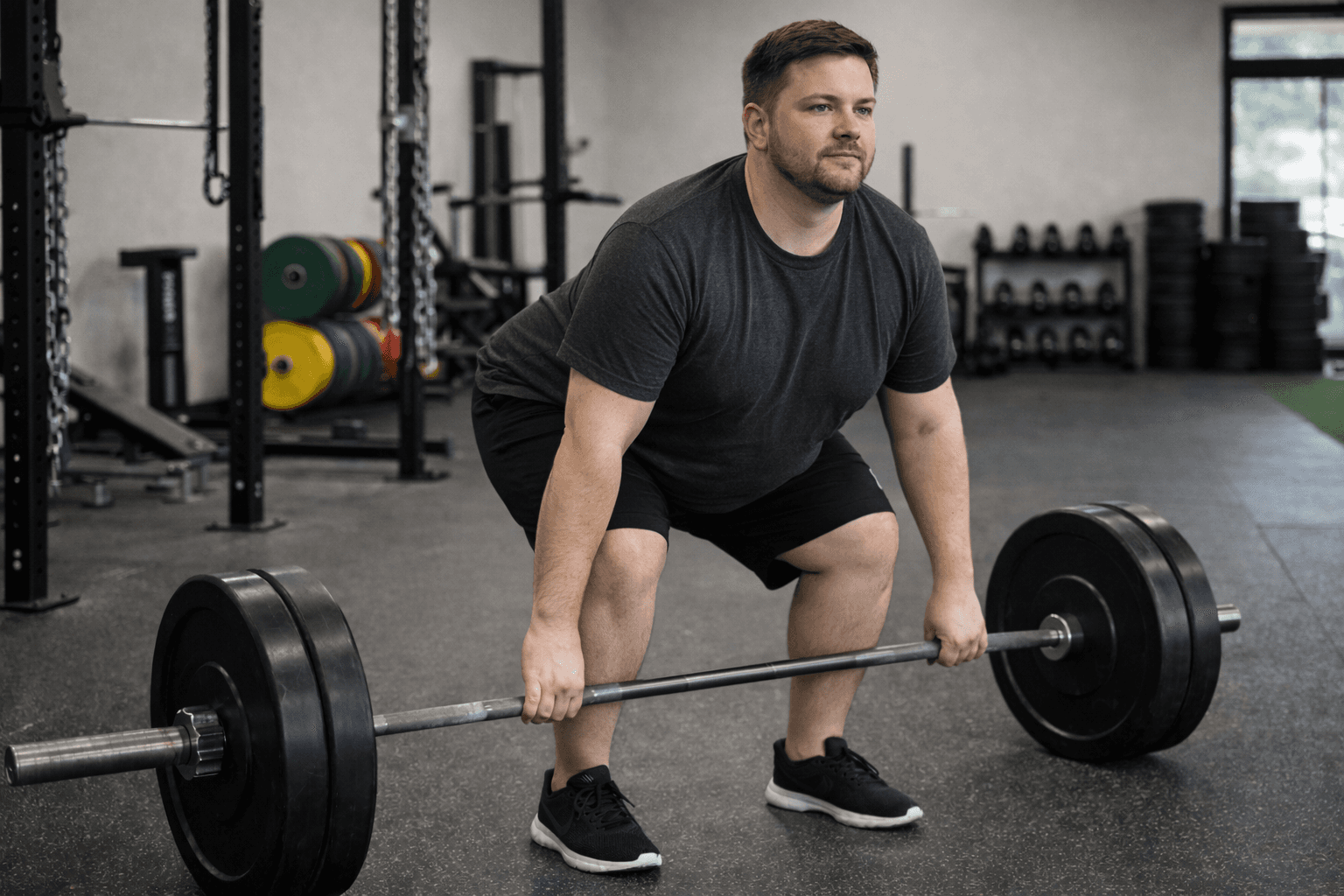

A man in athletic wear performing a barbell deadlift inside a gym.

Protein Intake

Protein is the single most important macronutrient for body composition change. It supports muscle retention during a caloric deficit, keeps you fuller longer, and has a higher thermic effect than carbohydrates or fat (meaning your body burns more calories just digesting it).

Research commonly supports higher protein intake in the range of 0.7–1 gram per pound of body weight. If you weigh 180 pounds, that's 125–180 grams of protein per day. Prioritize whole food sources: chicken, fish, eggs, Greek yogurt, legumes, and lean red meat.

Caloric Deficit

No matter what approach you take, fat loss requires consuming fewer calories than you burn. A moderate deficit of 300–500 calories per day produces steady fat loss without triggering the hormonal stress response that comes with extreme dieting.

Tracking food intake can help provide a clearer picture of calorie intake. Most people significantly underestimate portion sizes and liquid calories.

Lifestyle Factors

Sleep, stress, and alcohol all affect body fat in ways that calorie math alone doesn't capture. Poor sleep raises cortisol and ghrelin (your hunger hormone), making fat loss harder. Chronic stress promotes visceral fat storage. Alcohol adds empty calories and disrupts fat oxidation.

Getting 7–9 hours of quality sleep, managing stress actively, and reducing alcohol to 1–2 drinks per week can meaningfully accelerate your progress.

Track Composition (Not Just Weight)

The scale is a poor tool for tracking body composition progress. If you're gaining muscle while losing fat, your weight might barely move, but your composition is improving significantly. Use body measurements, progress photos, and periodic body fat assessments to track what's actually changing.

Key Takeaways

  • 30% body fat falls in the "obese" range for men (healthy is 18–24%) and at the high end of "acceptable" for women (healthy is 21–31%).

  • Visually, men at 30% typically show a soft, rounded midsection with little definition: women at 30% often look average or slightly soft, especially around the hips and waist.

  • Abs are not visible at 30% body fat for either sex. Significant fat reduction is needed before muscle definition appears.

  • The best measurement methods are DEXA scans and InBody assessments. At-home scales are convenient but imprecise.

  • Reducing body fat from 30% involves resistance training, high protein intake, a moderate caloric deficit, and lifestyle changes, not just cardio.

  • Track body composition changes over time, not just bodyweight, to get an honest picture of your progress.

Bottom Line

At 30% body fat, you're at a decision point, not a crisis, but not a place to ignore either. For men, it's a clear signal that reducing fat and building lean mass would benefit both health and quality of life. For women, it's the upper boundary of acceptable, which means now is a good time to pay attention before numbers trend higher.

The most useful thing you can do right now is get an accurate body composition measurement, not just step on a scale. From there, a consistent combination of resistance training, adequate protein, modest caloric reduction, and better sleep habits can realistically get you to a healthier range within a few months.

A dramatic transformation plan is not necessary. Consistent habits play a key role in long-term progress.


A split-screen image showing a man in athletic wear on the left and a woman in workout attire on the right, both standing against a neutral grey background.

Health

May 18, 2026

30% Body Fat: What It Looks Like, What It Means, and What to Do Next

If you’ve measured your body fat and landed at 30% body fat, you’re probably wondering what that actually means. Is it dangerous? Is it normal? Does it even matter if you feel fine?

The short answer: it depends on who you are. For some people, 30% body fat is a mild red flag. For others, it's squarely within an acceptable range. But to make sense of it, you need more than a number; you need context. This guide explains what 30% body fat means, what it looks like on a real body, and how to measure it accurately.

A split-screen image showing a man in athletic wear on the left and a woman in workout attire on the right, both standing against a neutral grey background.

What Is 30% Body Fat?

Body fat percentage is the proportion of your total body weight that's made up of fat tissue. So if you weigh 150 pounds and carry 45 pounds of fat, your body fat percentage is 30%.

The rest of your weight, the other 70%, is called lean mass. That includes muscle, bone, organs, water, and connective tissue. Body fat itself isn't inherently bad: it's necessary. Fat stores energy, cushions organs, regulates hormones, and supports brain function. The problem isn't fat itself; it's having too much of it relative to your lean mass.

At 30%, this represents a higher proportion of body fat relative to lean mass. Depending on your sex, age, and fitness level, this could range from borderline acceptable to moderately above a healthy threshold.

To put that into context, widely used classifications from organizations like the American Council on Exercise (ACE) break body fat ranges down like this:

Category

Men

Women

Essential Fat

2–5%

10–13%

Athletes

6–13%

14–20%

Fitness

14–17%

21–24%

Acceptable

18–24%

25–31%

Obese

25%+

32%+

This shows that 30% body fat is interpreted differently depending on sex. For men, it falls into the obese category. For women, it sits at the upper end of the acceptable range, just below the threshold typically classified as obesity.

Body composition, explained.

Understand what fat mass, skeletal muscle mass, and body water reveal that BMI can't.

What is body composition?

What Does 30% Body Fat Look Like?

Visually, 30% body fat doesn't look the same on everyone. Height, muscle mass, bone structure, and where your body stores fat all shape the picture. That said, there are general patterns worth knowing.

30% Body Fat in Men

For men, 30% body fat is typically noticeable. A soft, rounded midsection is commonly observed, with abdominal fat visible both standing and sitting. The waistline is wider than the hips in many cases, and there's little visible muscle definition. Arms, thighs, and chest may appear soft rather than toned.

Face and neck can show some fullness, and love handles are common. At this level, a man is generally in the "obese" classification by most clinical standards, even if he doesn't appear extremely overweight in clothing.

 A man in a dark grey t-shirt standing inside a gym with treadmills and weight racks in the background.

30% Body Fat in Women

For women, 30% body fat looks quite different, and it's classified differently, too. Most health organizations consider 25–31% body fat to be in the "acceptable" to "average" range for women. At exactly 30%, a woman might have a soft but not dramatically round physique.

Some muscle definition may still be visible, particularly in the arms and legs, though the midsection tends to carry visible softness. Hips and thighs often carry a larger share of fat in women due to hormonal fat distribution patterns. Many women at 30% may not appear clinically overweight and can look average in everyday settings.

The takeaway: the same percentage looks and functions very differently depending on sex.

A woman in a black t-shirt standing inside a gym with weight racks and dumbbells in the background.

Is 30% Body Fat Healthy?

Health is about more than aesthetics.

For Men

For men, 30% body fat is generally considered high enough to impact long-term health. At 30%, the associated health risks start to become more relevant, including increased likelihood of insulin resistance, elevated triglycerides, higher blood pressure, and greater cardiovascular strain. A key factor here is visceral fat, the fat stored around internal organs, which tends to increase at higher body fat levels and is strongly linked to metabolic disease.

This does not mean every man at 30% body fat is unhealthy or at immediate risk. But it does mean the risk profile is elevated compared to someone in the 15–20% range. If metabolic markers such as fasting glucose, blood pressure, or cholesterol are elevated, body fat at 30% may increase associated risks.

For Women

For women, 30% body fat sits near the upper end of the generally accepted range. As body fat increases beyond this point, the likelihood of metabolic issues, such as reduced insulin sensitivity and higher inflammation, begins to rise more noticeably.

At this level, most women don't face acute health risks from body fat alone. Hormones, bone density, and metabolic health are generally not severely impacted at 30%. That said, trending upward from here does increase risk, so 30% can be a useful signal to pay attention to without treating it as an emergency.

Age matters here, too. Body fat tends to increase naturally with age, so a 50-year-old woman at 30% may have a different health context than a 25-year-old at the same number.

Can You See Abs at 30% Body Fat?

At 30% body fat, visible abdominal definition is not expected. Visible abdominal definition requires a level of body fat that's significantly lower than 30%.

For men, abs typically become visible somewhere in the 10–15% range. For women, visible definition in the midsection usually starts appearing around 18–22%, depending on genetics and muscle development.

At 30%, there's enough subcutaneous fat over the abdominal muscles that no amount of core training will make them visible from the outside. Abdominal muscles may be developed but are typically not visible due to subcutaneous fat. This is actually a useful mental model: training abs builds the muscle, but reducing body fat is what reveals it. They're two separate goals that both need to be addressed.

Visible abdominal definition generally requires lower body fat levels alongside resistance training and appropriate nutrition.

Should You Try to Lower 30% Body Fat?

Not everyone at 30% body fat needs to pursue aggressive fat loss. The right answer depends on your health markers, your goals, your current lifestyle, and your sex.

When Fat Loss Makes Sense

For men at 30%, reducing body fat is a reasonable goal from both a health and quality-of-life standpoint. Dropping into the 18–24% range reduces cardiovascular risk, improves metabolic function, and typically increases energy, sleep quality, and joint comfort.

For women at 30%, the decision is more nuanced. If metabolic health markers are in good shape and you feel well, maintaining at 30% while gradually building muscle may serve you better than an intense cutting phase. Getting down to 22–27% is a realistic and healthy target for most women who want to improve composition.

For both sexes, if warning signs such as pre-diabetes, elevated blood pressure, fatigue, or high triglycerides are present, reducing body fat may be more clinically important.

Realistic Targets

A sustainable fat loss rate is around 0.5–1% of body weight per week. Faster than that tends to eat into muscle mass, which is counterproductive if your real goal is improving body composition rather than just watching the scale drop.

A target range is often more practical than a single number. For men, aiming for 20–22% is a meaningful, achievable improvement from 30%. For women, targeting 24–26% is a realistic improvement that supports both health and appearance goals. Periodic reassessment (e.g., every 8–12 weeks) can provide a more accurate picture than focusing on daily fluctuations.

How to Accurately Measure 30% Body Fat

Knowing you're at 30% body fat starts with actually measuring it accurately. The method you choose affects reliability significantly.

InBody Body Composition Analysis

InBody body composition devices use bioelectrical impedance analysis (BIA) in a more sophisticated configuration, multiple frequencies and segmental analysis across different body segments. Many fitness centers, clinics, and sports medicine facilities offer InBody testing.

It's fast, non-invasive, and provides a detailed breakdown of fat mass, lean mass, and even water distribution. Accuracy is generally considered good when tested under consistent conditions (same time of day, same hydration level).

Ready to see where you really stand?

InBody is closer than you think — locations are in gyms, clinics, and studios nationwide.

Find testing locations

DEXA Scan

DEXA (Dual-Energy X-ray Absorptiometry) is considered the gold standard for body composition measurement. Originally developed for bone density testing, it also produces highly accurate readings for fat mass and lean mass.

A DEXA scan takes about 10 minutes, involves very low radiation exposure, and provides precise data including regional fat distribution, so you can see where exactly fat is stored. It's available at many medical imaging centers and universities. Cost typically runs $50–$150 depending on location.

Skinfold Calipers

Skinfold testing involves pinching fat at specific body sites and using those measurements in a formula to estimate overall body fat percentage. When performed by a trained professional, it's reasonably accurate, typically within 3–4% of true body fat.

The limitation: it's highly dependent on the skill of the person doing it. Self-testing is possible but error-prone. Consistent testing by the same person over time tends to be more useful for tracking changes than a single measurement.

At-Home BIA Scales

Consumer body fat scales use basic bioelectrical impedance to estimate body fat. They're convenient but not highly accurate, results can swing by 5% or more depending on hydration, time of day, and recent meals.

They're best used as a rough trend tracker rather than a precise measurement tool. Single readings from consumer BIA scales may not be reliable for decision-making.

How to Improve Body Composition from 30%

Reducing body fat from 30% isn't complicated, but it does require consistency across several interconnected habits. Several factors are commonly associated with improving body composition.

Resistance Training

Building lean muscle is your highest-leverage tool for improving body composition. Muscle tissue is metabolically active, meaning it burns more calories at rest than fat does. Adding muscle while losing fat changes the ratio, which is the actual goal.

Many programs include 3–4 resistance training sessions per week. Compound movements like squats, deadlifts, rows, and presses deliver the most return on your time investment. High-level training is not required to see improvements; you just need to progressively challenge your muscles over time.


A man in athletic wear performing a barbell deadlift inside a gym.

Protein Intake

Protein is the single most important macronutrient for body composition change. It supports muscle retention during a caloric deficit, keeps you fuller longer, and has a higher thermic effect than carbohydrates or fat (meaning your body burns more calories just digesting it).

Research commonly supports higher protein intake in the range of 0.7–1 gram per pound of body weight. If you weigh 180 pounds, that's 125–180 grams of protein per day. Prioritize whole food sources: chicken, fish, eggs, Greek yogurt, legumes, and lean red meat.

Caloric Deficit

No matter what approach you take, fat loss requires consuming fewer calories than you burn. A moderate deficit of 300–500 calories per day produces steady fat loss without triggering the hormonal stress response that comes with extreme dieting.

Tracking food intake can help provide a clearer picture of calorie intake. Most people significantly underestimate portion sizes and liquid calories.

Lifestyle Factors

Sleep, stress, and alcohol all affect body fat in ways that calorie math alone doesn't capture. Poor sleep raises cortisol and ghrelin (your hunger hormone), making fat loss harder. Chronic stress promotes visceral fat storage. Alcohol adds empty calories and disrupts fat oxidation.

Getting 7–9 hours of quality sleep, managing stress actively, and reducing alcohol to 1–2 drinks per week can meaningfully accelerate your progress.

Track Composition (Not Just Weight)

The scale is a poor tool for tracking body composition progress. If you're gaining muscle while losing fat, your weight might barely move, but your composition is improving significantly. Use body measurements, progress photos, and periodic body fat assessments to track what's actually changing.

Key Takeaways

  • 30% body fat falls in the "obese" range for men (healthy is 18–24%) and at the high end of "acceptable" for women (healthy is 21–31%).

  • Visually, men at 30% typically show a soft, rounded midsection with little definition: women at 30% often look average or slightly soft, especially around the hips and waist.

  • Abs are not visible at 30% body fat for either sex. Significant fat reduction is needed before muscle definition appears.

  • The best measurement methods are DEXA scans and InBody assessments. At-home scales are convenient but imprecise.

  • Reducing body fat from 30% involves resistance training, high protein intake, a moderate caloric deficit, and lifestyle changes, not just cardio.

  • Track body composition changes over time, not just bodyweight, to get an honest picture of your progress.

Bottom Line

At 30% body fat, you're at a decision point, not a crisis, but not a place to ignore either. For men, it's a clear signal that reducing fat and building lean mass would benefit both health and quality of life. For women, it's the upper boundary of acceptable, which means now is a good time to pay attention before numbers trend higher.

The most useful thing you can do right now is get an accurate body composition measurement, not just step on a scale. From there, a consistent combination of resistance training, adequate protein, modest caloric reduction, and better sleep habits can realistically get you to a healthier range within a few months.

A dramatic transformation plan is not necessary. Consistent habits play a key role in long-term progress.
Fit man in a charcoal grey t-shirt smiling against a plain white studio background.

Health

Apr 23, 2026

20% Body Fat: What It Looks Like, What It Means, and What to Do Next

Body fat percentage sounds simple, but it carries important meaning. And 20% is a particularly interesting spot on the spectrum. It's not extremely lean, but it's not in the danger zone either. Depending on your sex, age, and goals, 20% body fat can mean very different things.

Whether you just got your results from a body composition scan and saw "20%" staring back at you, or you're trying to figure out where you stand health-wise, this guide explains what it looks like, whether it is healthy, and how it relates to body composition.

What Is 20% Body Fat?

Body fat percentage is the proportion of your total body weight that comes from fat mass, as opposed to lean mass, which includes muscle, bone, water, and organs. At 20% body fat, one-fifth of your body weight is fat tissue.

That fat isn't all bad, by the way. Your body needs a baseline amount of fat, called essential fat, just to keep things running: hormone production, brain function, organ protection, and more. The key question is whether the amount of body fat supports your health and fitness goals.

For context, body fat categories (per the American Council on Exercise) generally break down like this:

Category

Men

Women

Essential Fat

2–5%

10–13%

Athletes

6–13%

14–20%

Fitness

14–17%

21–24%

Acceptable

18–24%

25–31%

Obese

25%+

32%+

So right off the bat, you can see that 20% lands differently depending on whether you're male or female.

Body composition, explained.

Understand what fat mass, skeletal muscle mass, and body water reveal that BMI can't.

What is body composition?

What Does 20% Body Fat Look Like?

Body fat distribution is highly individual; two people at exactly 20% can look noticeably different depending on genetics, muscle mass, and where their bodies store fat. That said, there are some general patterns worth knowing.

20% Body Fat on Men

Fit man in a charcoal grey t-shirt smiling against a plain white studio background.

At 20% body fat, most men will have a soft but not dramatically rounded physique. There's typically some visible definition in the arms and shoulders, but the midsection tends to carry a layer of fat that softens any ab definition. You might see a slight outline of muscle in certain lighting, but a six-pack isn't in the picture at this level.

The face often looks fairly lean, and the chest and legs may still appear reasonably defined. But the lower abdomen and love handles are usually where that extra fat settles first.

20% Body Fat on Women

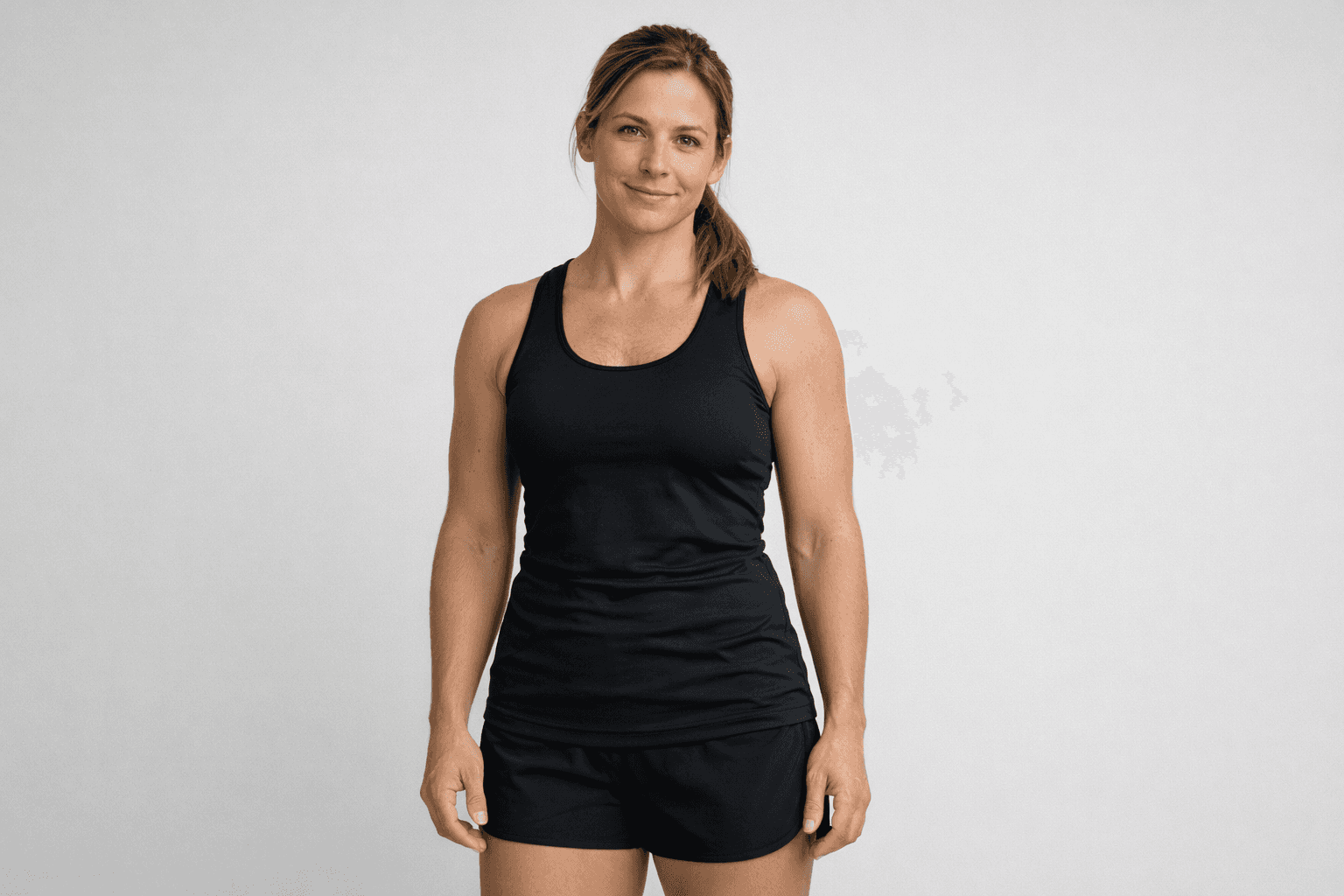
Fit woman in black athletic tank top and shorts smiling against a neutral studio background.

For women, 20% body fat is actually quite lean. At this level, you'd typically see visible muscle tone in the arms, legs, and sometimes the abdomen. There's still a feminine softness to the body, but the overall shape is defined and athletic-looking.

Women naturally carry more essential fat than men, so a woman at 20% is closer to the "fitness" or even "athlete" category on the ACE scale. Think: toned, active-looking, with visible muscle separation in places like the quads and shoulders.

Is 20% Body Fat Healthy?

Short answer: it depends on your sex.

For Men

For men, 20% body fat sits right at the top of the "acceptable" range before crossing into the category associated with increased health risks. It is not typically a cause for concern, but it may not represent peak metabolic health. Research has linked higher body fat percentages, even within the "normal" weight range, to greater risk of insulin resistance, cardiovascular issues, and inflammation over time.

Excess body fat is associated with several chronic diseases, including certain cancers and metabolic conditions.

If you're a man at 20% and your goal is general health, you're in a manageable spot. If performance or longevity optimization is the target, there's room to improve.

For Women

For women, 20% is genuinely healthy, and for many, it's an impressive level of leanness. It falls within the "fitness" category and is associated with good hormonal health, strong metabolic function, and low chronic disease risk. Going significantly below this range can actually start to interfere with reproductive hormones and bone density in women, so 20% is a sustainable, healthy place to be.

Bottom line: the same number reads very differently across sexes, and that's exactly why a one-size-fits-all approach to body fat doesn't work.

Is 20% Body Fat Considered "Skinny Fat"?

"Skinny fat" isn't a medical term, but it describes something real: a body that looks slim or average at a normal weight but carries a higher proportion of fat relative to muscle. Technically, this is called normal-weight obesity or, more precisely, having low muscle mass with excess fat mass.

Can 20% body fat be skinny fat? For men, yes, it's possible. If someone weighs 160 lbs with very little muscle and a high fat percentage, 20% could reflect low muscle mass rather than a truly lean build. The number on the scale might look fine, but the underlying body composition tells a different story.

For women, 20% is lean enough that skinny fat is less of a concern at this level, though it's still theoretically possible with very low muscle mass.

This is exactly why tracking body fat percentage alone isn't the full picture. Your skeletal muscle mass matters just as much. Someone with 20% fat and strong, developed muscle tissue is in a completely different metabolic position than someone with 20% fat and minimal muscle. That's what makes a full body composition analysis, not just a body fat reading, so valuable.

Can You See Abs at 20% Body Fat?

For most men, no, not at 20%. Visible abs typically start appearing in the 14–17% range, and a defined six-pack usually requires getting below 12–14%. At 20%, the subcutaneous fat layer over the abdomen is thick enough to obscure any underlying muscle definition, even if you've been doing core work consistently.

For women, the story is a bit different. At 20%, some ab definition can be visible, especially the upper abs, particularly if there's a solid base of core muscle underneath. Women don't need to get nearly as lean as men to see ab definition, due to the natural differences in fat distribution.

For men at 20% body fat, visible abs generally require lower body fat levels and greater abdominal muscle definition. For women at 20%, some abdominal definition may already be visible depending on muscle development and fat distribution.

Should You Try to Lower 20% Body Fat?

That depends on your personal goals and starting point.

For men at 20%, moving toward 15–18% may be a reasonable target if the goal is improved health markers, athletic performance, or greater muscle definition. Even a modest reduction in fat mass paired with increased muscle mass can meaningfully affect body composition and performance.

For women at 20%, lowering body fat may not be necessary. In some cases, increasing lean muscle mass may be a more useful focus than reducing body fat further.

For anyone, going below certain thresholds too quickly or without enough muscle to support the process tends to backfire. Crash dieting drops fat and muscle simultaneously, leaving you with a worse body composition than when you started. A slower, more structured approach, combining resistance training with a modest caloric deficit, is what actually moves the needle long-term.

If you are unsure how fat and muscle are distributed, the issue is usually measurement accuracy rather than motivation.

How to Accurately Measure 20% Body Fat

Estimating body fat from a mirror or a standard bathroom scale is often unreliable. To understand body composition more accurately, a reliable measurement method is needed.

InBody Body Composition Analysis

InBody body composition devices use bioelectrical impedance analysis (BIA) to send a safe, low-level electrical current through the body and measure the resistance from different tissues. Unlike basic consumer BIA scales, InBody uses multi-frequency currents and direct segmental measurement, breaking down fat mass, skeletal muscle mass, and total body water by individual body segments (arms, legs, trunk).

This level of detail makes InBody one of the most practical and accurate options for tracking body composition over time in clinical, gym, and wellness settings. You get a full report, not just a percentage, so you can see exactly where you stand on muscle and fat, and track whether your training and nutrition changes are actually working.

Ready to see where you really stand?

InBody is closer than you think — locations are in gyms, clinics, and studios nationwide.

Find testing locations

DEXA

Dual-energy X-ray absorptiometry (DEXA) is often cited as the gold standard for body composition measurement. It uses low-dose X-rays to differentiate between fat mass, lean mass, and bone density across different body regions. It's highly accurate and very detailed, but it requires a visit to a medical or research facility, carries a small radiation exposure, and typically costs more than other options.

Skinfold Calipers

Caliper-based assessments work by pinching the skin at specific sites on the body and using those measurements to estimate total body fat through established equations. When done by a trained technician using a quality set of calipers, they can be reasonably accurate, but results vary significantly depending on the tester's skill and the equation being used. They're affordable and accessible, which makes them popular in gym settings.

At-Home BIA Scales

Consumer-grade smart scales that measure body fat via BIA are widely available and convenient, but they come with real limitations. They typically use single-frequency current through just the feet, which means they're estimating rather than directly measuring upper body composition. Hydration levels, food intake, and even time of day can swing readings by several percentage points. They're fine for spotting general trends, but not reliable enough to base major decisions on.

How to Improve Body Composition from 20%

A man in a blue t-shirt performing standing dumbbell bicep curls in a bright, modern gym.

For individuals looking to improve body composition from 20%, several evidence-based strategies are commonly used:

  1. Resistance training plays a central role in long-term body composition improvement. Greater skeletal muscle mass is associated with a higher resting metabolic rate, better insulin sensitivity, and a leaner appearance, even before body fat percentage changes substantially. Many training programs include at least three strength sessions per week and emphasize compound movements such as squats, deadlifts, presses, and rows.

  2. Adequate protein intake is important for body composition. Research generally supports higher protein intake for individuals trying to improve body composition, especially during a caloric deficit, because it helps support muscle retention, growth, and satiety.

  3. When fat loss is the goal, a modest caloric deficit is commonly used. Aggressive calorie restriction is generally unnecessary and may increase the risk of muscle loss and fatigue.

  4. Tracking body composition, rather than body weight alone, provides a clearer picture of progress. Because fat mass and lean mass can change at the same time, scale weight alone may not reflect meaningful changes. A reliable body composition analysis can show whether fat and muscle are shifting over time.

  5. Meaningful changes in body composition usually take months, not weeks. Gradual changes in body fat, alongside maintained or improved muscle mass, are generally more sustainable than rapid shifts.

Key Takeaways Section

  • 20% body fat means different things for men and women. For men, it's at the upper end of acceptable. For women, it's a genuinely fit, healthy level.

  • Appearance varies. Men at 20% typically have a soft midsection with limited muscle definition. Women at 20% often look toned and athletic.

  • It's not always about losing fat. Building muscle mass can shift your body composition without requiring a major cut in body fat percentage.

  • The "skinny fat" risk is real. The number matters less than what's behind it, fat mass vs. skeletal muscle mass. Always look at the full picture.

  • Abs at 20% are unlikely for men, possible for women. Genetics and muscle development play a role, but this is the general rule.

  • Accurate measurement matters. InBody scans provide segmental data on muscle and fat that a standard bathroom scale cannot.

  • Improving body composition takes time. Resistance training, adequate protein intake, and a sustainable caloric approach are commonly associated with long-term progress.

Bottom Line

A 20% body fat reading can mean different things depending on your sex, muscle mass, and overall body composition. For men, it usually sits near the upper end of a healthy range. For women, it often reflects a lean, athletic build.

The number alone doesn’t tell the full story. Strength, muscle mass, and sustainable habits matter just as much as body fat percentage. Overall health and body composition are supported by muscle mass, regular activity, and consistent nutrition over time.

Fit man in a charcoal grey t-shirt smiling against a plain white studio background.

Health

Apr 23, 2026

20% Body Fat: What It Looks Like, What It Means, and What to Do Next

Body fat percentage sounds simple, but it carries important meaning. And 20% is a particularly interesting spot on the spectrum. It's not extremely lean, but it's not in the danger zone either. Depending on your sex, age, and goals, 20% body fat can mean very different things.

Whether you just got your results from a body composition scan and saw "20%" staring back at you, or you're trying to figure out where you stand health-wise, this guide explains what it looks like, whether it is healthy, and how it relates to body composition.

What Is 20% Body Fat?

Body fat percentage is the proportion of your total body weight that comes from fat mass, as opposed to lean mass, which includes muscle, bone, water, and organs. At 20% body fat, one-fifth of your body weight is fat tissue.

That fat isn't all bad, by the way. Your body needs a baseline amount of fat, called essential fat, just to keep things running: hormone production, brain function, organ protection, and more. The key question is whether the amount of body fat supports your health and fitness goals.

For context, body fat categories (per the American Council on Exercise) generally break down like this:

Category

Men

Women

Essential Fat

2–5%

10–13%

Athletes

6–13%

14–20%

Fitness

14–17%

21–24%

Acceptable

18–24%

25–31%

Obese

25%+

32%+

So right off the bat, you can see that 20% lands differently depending on whether you're male or female.

Body composition, explained.

Understand what fat mass, skeletal muscle mass, and body water reveal that BMI can't.

What is body composition?

What Does 20% Body Fat Look Like?

Body fat distribution is highly individual; two people at exactly 20% can look noticeably different depending on genetics, muscle mass, and where their bodies store fat. That said, there are some general patterns worth knowing.

20% Body Fat on Men

Fit man in a charcoal grey t-shirt smiling against a plain white studio background.

At 20% body fat, most men will have a soft but not dramatically rounded physique. There's typically some visible definition in the arms and shoulders, but the midsection tends to carry a layer of fat that softens any ab definition. You might see a slight outline of muscle in certain lighting, but a six-pack isn't in the picture at this level.

The face often looks fairly lean, and the chest and legs may still appear reasonably defined. But the lower abdomen and love handles are usually where that extra fat settles first.

20% Body Fat on Women

Fit woman in black athletic tank top and shorts smiling against a neutral studio background.

For women, 20% body fat is actually quite lean. At this level, you'd typically see visible muscle tone in the arms, legs, and sometimes the abdomen. There's still a feminine softness to the body, but the overall shape is defined and athletic-looking.

Women naturally carry more essential fat than men, so a woman at 20% is closer to the "fitness" or even "athlete" category on the ACE scale. Think: toned, active-looking, with visible muscle separation in places like the quads and shoulders.

Is 20% Body Fat Healthy?

Short answer: it depends on your sex.

For Men

For men, 20% body fat sits right at the top of the "acceptable" range before crossing into the category associated with increased health risks. It is not typically a cause for concern, but it may not represent peak metabolic health. Research has linked higher body fat percentages, even within the "normal" weight range, to greater risk of insulin resistance, cardiovascular issues, and inflammation over time.

Excess body fat is associated with several chronic diseases, including certain cancers and metabolic conditions.

If you're a man at 20% and your goal is general health, you're in a manageable spot. If performance or longevity optimization is the target, there's room to improve.

For Women

For women, 20% is genuinely healthy, and for many, it's an impressive level of leanness. It falls within the "fitness" category and is associated with good hormonal health, strong metabolic function, and low chronic disease risk. Going significantly below this range can actually start to interfere with reproductive hormones and bone density in women, so 20% is a sustainable, healthy place to be.

Bottom line: the same number reads very differently across sexes, and that's exactly why a one-size-fits-all approach to body fat doesn't work.

Is 20% Body Fat Considered "Skinny Fat"?

"Skinny fat" isn't a medical term, but it describes something real: a body that looks slim or average at a normal weight but carries a higher proportion of fat relative to muscle. Technically, this is called normal-weight obesity or, more precisely, having low muscle mass with excess fat mass.

Can 20% body fat be skinny fat? For men, yes, it's possible. If someone weighs 160 lbs with very little muscle and a high fat percentage, 20% could reflect low muscle mass rather than a truly lean build. The number on the scale might look fine, but the underlying body composition tells a different story.

For women, 20% is lean enough that skinny fat is less of a concern at this level, though it's still theoretically possible with very low muscle mass.

This is exactly why tracking body fat percentage alone isn't the full picture. Your skeletal muscle mass matters just as much. Someone with 20% fat and strong, developed muscle tissue is in a completely different metabolic position than someone with 20% fat and minimal muscle. That's what makes a full body composition analysis, not just a body fat reading, so valuable.

Can You See Abs at 20% Body Fat?

For most men, no, not at 20%. Visible abs typically start appearing in the 14–17% range, and a defined six-pack usually requires getting below 12–14%. At 20%, the subcutaneous fat layer over the abdomen is thick enough to obscure any underlying muscle definition, even if you've been doing core work consistently.

For women, the story is a bit different. At 20%, some ab definition can be visible, especially the upper abs, particularly if there's a solid base of core muscle underneath. Women don't need to get nearly as lean as men to see ab definition, due to the natural differences in fat distribution.

For men at 20% body fat, visible abs generally require lower body fat levels and greater abdominal muscle definition. For women at 20%, some abdominal definition may already be visible depending on muscle development and fat distribution.

Should You Try to Lower 20% Body Fat?

That depends on your personal goals and starting point.

For men at 20%, moving toward 15–18% may be a reasonable target if the goal is improved health markers, athletic performance, or greater muscle definition. Even a modest reduction in fat mass paired with increased muscle mass can meaningfully affect body composition and performance.

For women at 20%, lowering body fat may not be necessary. In some cases, increasing lean muscle mass may be a more useful focus than reducing body fat further.

For anyone, going below certain thresholds too quickly or without enough muscle to support the process tends to backfire. Crash dieting drops fat and muscle simultaneously, leaving you with a worse body composition than when you started. A slower, more structured approach, combining resistance training with a modest caloric deficit, is what actually moves the needle long-term.

If you are unsure how fat and muscle are distributed, the issue is usually measurement accuracy rather than motivation.

How to Accurately Measure 20% Body Fat

Estimating body fat from a mirror or a standard bathroom scale is often unreliable. To understand body composition more accurately, a reliable measurement method is needed.

InBody Body Composition Analysis

InBody body composition devices use bioelectrical impedance analysis (BIA) to send a safe, low-level electrical current through the body and measure the resistance from different tissues. Unlike basic consumer BIA scales, InBody uses multi-frequency currents and direct segmental measurement, breaking down fat mass, skeletal muscle mass, and total body water by individual body segments (arms, legs, trunk).

This level of detail makes InBody one of the most practical and accurate options for tracking body composition over time in clinical, gym, and wellness settings. You get a full report, not just a percentage, so you can see exactly where you stand on muscle and fat, and track whether your training and nutrition changes are actually working.

Ready to see where you really stand?

InBody is closer than you think — locations are in gyms, clinics, and studios nationwide.

Find testing locations

DEXA

Dual-energy X-ray absorptiometry (DEXA) is often cited as the gold standard for body composition measurement. It uses low-dose X-rays to differentiate between fat mass, lean mass, and bone density across different body regions. It's highly accurate and very detailed, but it requires a visit to a medical or research facility, carries a small radiation exposure, and typically costs more than other options.

Skinfold Calipers

Caliper-based assessments work by pinching the skin at specific sites on the body and using those measurements to estimate total body fat through established equations. When done by a trained technician using a quality set of calipers, they can be reasonably accurate, but results vary significantly depending on the tester's skill and the equation being used. They're affordable and accessible, which makes them popular in gym settings.

At-Home BIA Scales

Consumer-grade smart scales that measure body fat via BIA are widely available and convenient, but they come with real limitations. They typically use single-frequency current through just the feet, which means they're estimating rather than directly measuring upper body composition. Hydration levels, food intake, and even time of day can swing readings by several percentage points. They're fine for spotting general trends, but not reliable enough to base major decisions on.

How to Improve Body Composition from 20%

A man in a blue t-shirt performing standing dumbbell bicep curls in a bright, modern gym.

For individuals looking to improve body composition from 20%, several evidence-based strategies are commonly used:

  1. Resistance training plays a central role in long-term body composition improvement. Greater skeletal muscle mass is associated with a higher resting metabolic rate, better insulin sensitivity, and a leaner appearance, even before body fat percentage changes substantially. Many training programs include at least three strength sessions per week and emphasize compound movements such as squats, deadlifts, presses, and rows.

  2. Adequate protein intake is important for body composition. Research generally supports higher protein intake for individuals trying to improve body composition, especially during a caloric deficit, because it helps support muscle retention, growth, and satiety.

  3. When fat loss is the goal, a modest caloric deficit is commonly used. Aggressive calorie restriction is generally unnecessary and may increase the risk of muscle loss and fatigue.

  4. Tracking body composition, rather than body weight alone, provides a clearer picture of progress. Because fat mass and lean mass can change at the same time, scale weight alone may not reflect meaningful changes. A reliable body composition analysis can show whether fat and muscle are shifting over time.

  5. Meaningful changes in body composition usually take months, not weeks. Gradual changes in body fat, alongside maintained or improved muscle mass, are generally more sustainable than rapid shifts.

Key Takeaways Section

  • 20% body fat means different things for men and women. For men, it's at the upper end of acceptable. For women, it's a genuinely fit, healthy level.

  • Appearance varies. Men at 20% typically have a soft midsection with limited muscle definition. Women at 20% often look toned and athletic.

  • It's not always about losing fat. Building muscle mass can shift your body composition without requiring a major cut in body fat percentage.

  • The "skinny fat" risk is real. The number matters less than what's behind it, fat mass vs. skeletal muscle mass. Always look at the full picture.

  • Abs at 20% are unlikely for men, possible for women. Genetics and muscle development play a role, but this is the general rule.

  • Accurate measurement matters. InBody scans provide segmental data on muscle and fat that a standard bathroom scale cannot.

  • Improving body composition takes time. Resistance training, adequate protein intake, and a sustainable caloric approach are commonly associated with long-term progress.
Bottom Line

A 20% body fat reading can mean different things depending on your sex, muscle mass, and overall body composition. For men, it usually sits near the upper end of a healthy range. For women, it often reflects a lean, athletic build.

The number alone doesn’t tell the full story. Strength, muscle mass, and sustainable habits matter just as much as body fat percentage. Overall health and body composition are supported by muscle mass, regular activity, and consistent nutrition over time.

Get updates worth your time.

5,000,000+ users

Get updates worth
your time.

5,000,000+ users

Get updates worth
your time.

5,000,000+ users

Product

Software

Resources

Company