You measured your body fat and saw 18%. But what does that number actually mean? Is it healthy? Lean? Or something in between?
The answer depends on several factors, including your sex, muscle mass, and overall body composition.
In this guide, we explain what 18% body fat looks like, whether it’s healthy, and what it can mean for your body composition goals.
What Does 18% Body Fat Mean?
Body fat percentage represents how much of your total weight comes from fat tissue.
At 18% body fat, roughly 18% of your weight is fat, while the remaining 82% is lean mass, including muscle, bone, organs, and water.
To put some numbers to it: a 180-pound person at 18% body fat is carrying about 32 pounds of fat and roughly 148 pounds of lean mass. That's a meaningful distinction, because two people can weigh exactly the same and look completely different depending on how that weight is distributed between fat and muscle.
Body fat percentage is generally categorized into ranges by organizations like the American Council on Exercise (ACE). Their widely referenced classifications look something like this:
Category | Men | Women |
Essential fat | 6-13% | 14-20% |
Fitness | 14-17% | 21-24% |
Acceptable | 18-24% | 25-31% |
Obesity | 25%+ | 32%+ |
By ACE standards, 18% body fat for men falls at the lower end of the "acceptable" range, just above "fitness" level. For women, 18% is well within the athletic category. That difference matters quite a bit, and we'll cover it in more detail below.
What Does 18% Body Fat Look Like?
Numbers on a page are one thing. What you actually see in the mirror is another. Here's what 18% body fat typically looks like in practice, and why it looks quite different depending on whether you're a man or a woman.
18% Body Fat in Men
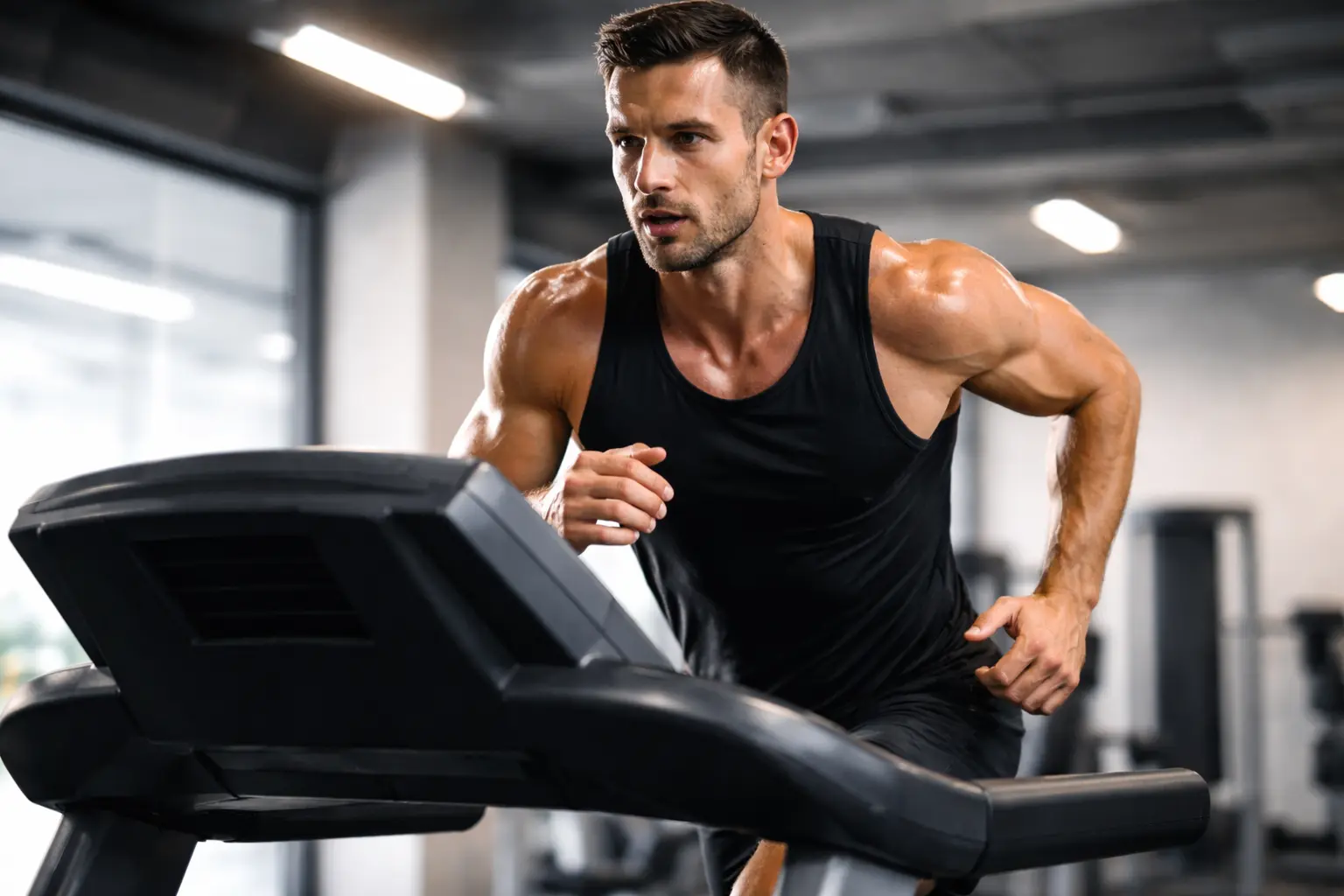
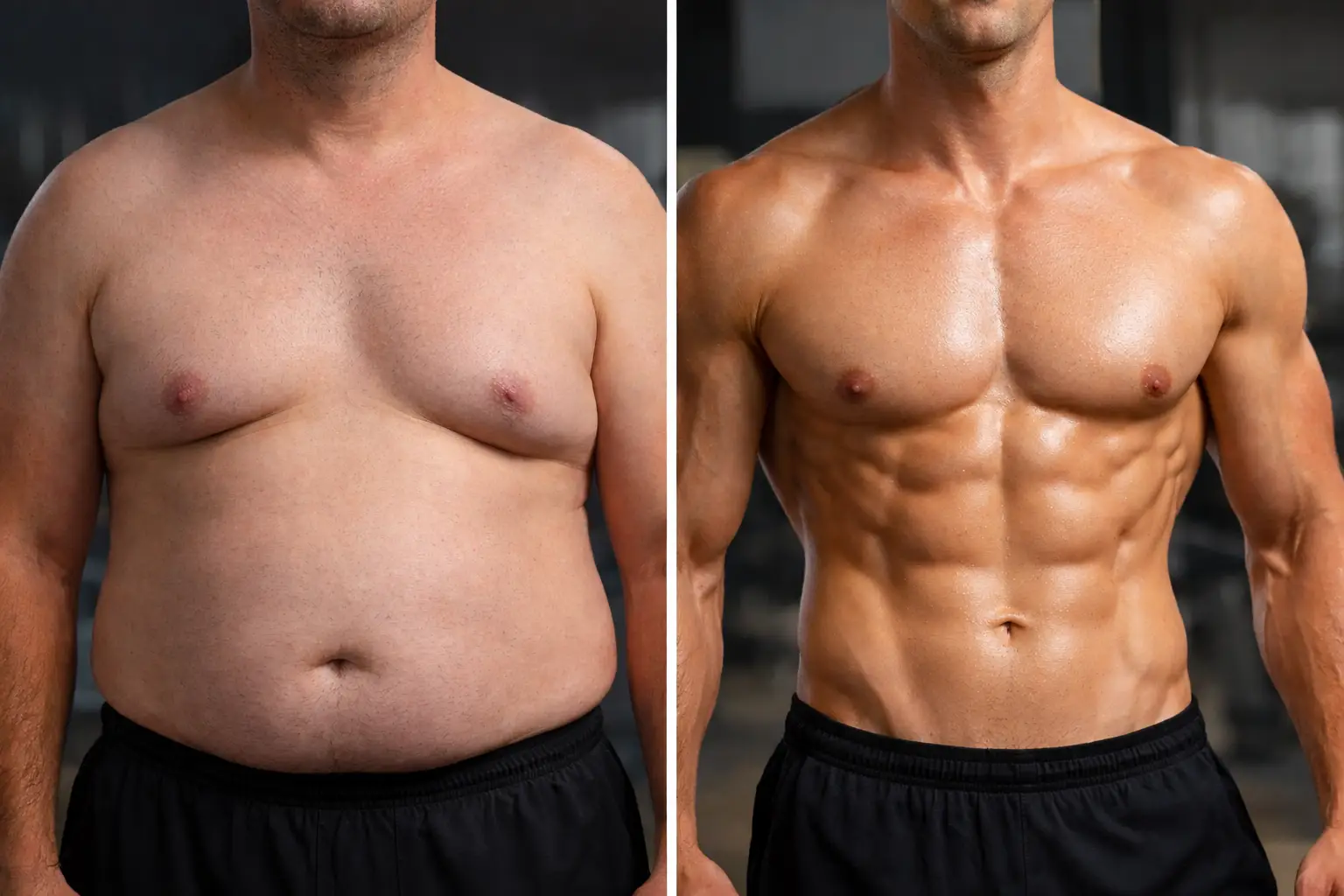
For men, 18% body fat often looks moderately lean, with noticeable muscle and a moderate layer of fat covering it. You likely have some definition in your arms and shoulders, and your chest has shape, but your midsection is where most of that fat tends to sit.
At 18%, most men won't have visible abs. The lower abdominals are typically covered, and the upper abs may only show faint definition, if at all. There's usually a soft look around the waist rather than a sharp, defined one. Love handles may be lightly present, particularly when sitting down.
For context: the "fitness" category for men starts around 14–17%. So if you're at 18% and want more visible muscle definition, you're actually quite close to that threshold.

18% Body Fat in Women
For women, 18% body fat is genuinely lean; it sits solidly in the athletic range. Women naturally carry more essential body fat than men (roughly 10–13% just for physiological functions), which means 18% total body fat is a relatively low figure.
At this level, women typically show clear muscle definition in their arms, legs, and shoulders. The core may show some ab definition, particularly the upper abs, though a very flat stomach is more common than a chiseled six-pack. There's minimal fat visible around the hips and thighs, and the overall silhouette is lean and athletic.

Is 18% Body Fat Healthy?
For most people, 18% body fat falls within a healthy range. But context matters.
For men, 18% sits right at the border between the "fitness" and "acceptable" categories. From a metabolic health standpoint, men in this range generally have normal insulin sensitivity, healthy lipid profiles, and a reduced risk of obesity-related conditions compared to those carrying significantly more body fat. This level is generally not considered high risk.
For women, 18% body fat is squarely in the athletic range and is associated with excellent cardiovascular fitness and metabolic health markers. The one caveat: if a woman has naturally lower body fat and is sustaining 18% through extreme restriction rather than muscle development, hormonal disruption can occur. The number on its own doesn't tell the whole story; how you got there does.
In general, 18% body fat is not considered a red flag. For men seeking better athletic performance or greater muscle definition, there may be room for improvement. For women, it's already a strong, healthy baseline that many would consider a goal, not a starting point.
Can You See Abs at 18% Body Fat?
This is probably the most-asked follow-up question after getting a body fat result, and the answer depends heavily on your sex and muscle development.
For men: At 18%, visible abs are unlikely. The general consensus among trainers and sports scientists is that most men need to get below 15%, and ideally closer to 10–12%, to see clear abdominal definition. At 18%, you might notice a faint outline of the upper abs if you have well-developed abdominal muscles underneath, but a six-pack won't be on display. The subcutaneous fat layer at this percentage is just thick enough to obscure the muscle beneath.
For women: At 18%, some ab definition is quite possible, especially the upper rectus abdominis. Women's abs can become visible at higher body fat percentages than men's, partly because of muscle development and partly because of differences in how fat is distributed. A lean, flat stomach is very achievable at 18% for women, even if it's not a carved-out six-pack.
For men at 18% body fat, visible abs usually depend on both lower body fat levels and greater abdominal muscle development.
Should You Lower 18% Body Fat?
Not necessarily. The answer depends on your goals and overall health context.
For women, 18% body fat is already within the athletic range. Unless you have a specific competitive or aesthetic goal that calls for lower body fat, there's no health-based reason to push lower. In fact, for many women, maintaining 18% long-term requires consistent effort. Trying to go significantly lower could come at a cost to hormonal health, energy levels, and overall well-being.
For men, modest fat reduction may make sense if the goal is improved athletic performance, greater muscle definition, or moving into the fitness classification. Moving toward 15–17% may represent meaningful progress without requiring an extreme approach. That said, if you're healthy, feel good, and aren't chasing a specific physique goal, 18% is perfectly fine to maintain.
How to Accurately Measure 18% Body Fat
Getting an accurate read on your body fat is harder than it sounds. Many common methods have significant margin-of-error issues, and some are dramatically better than others. Here's a breakdown of the most widely used measurement tools.
InBody Body Composition Analysis
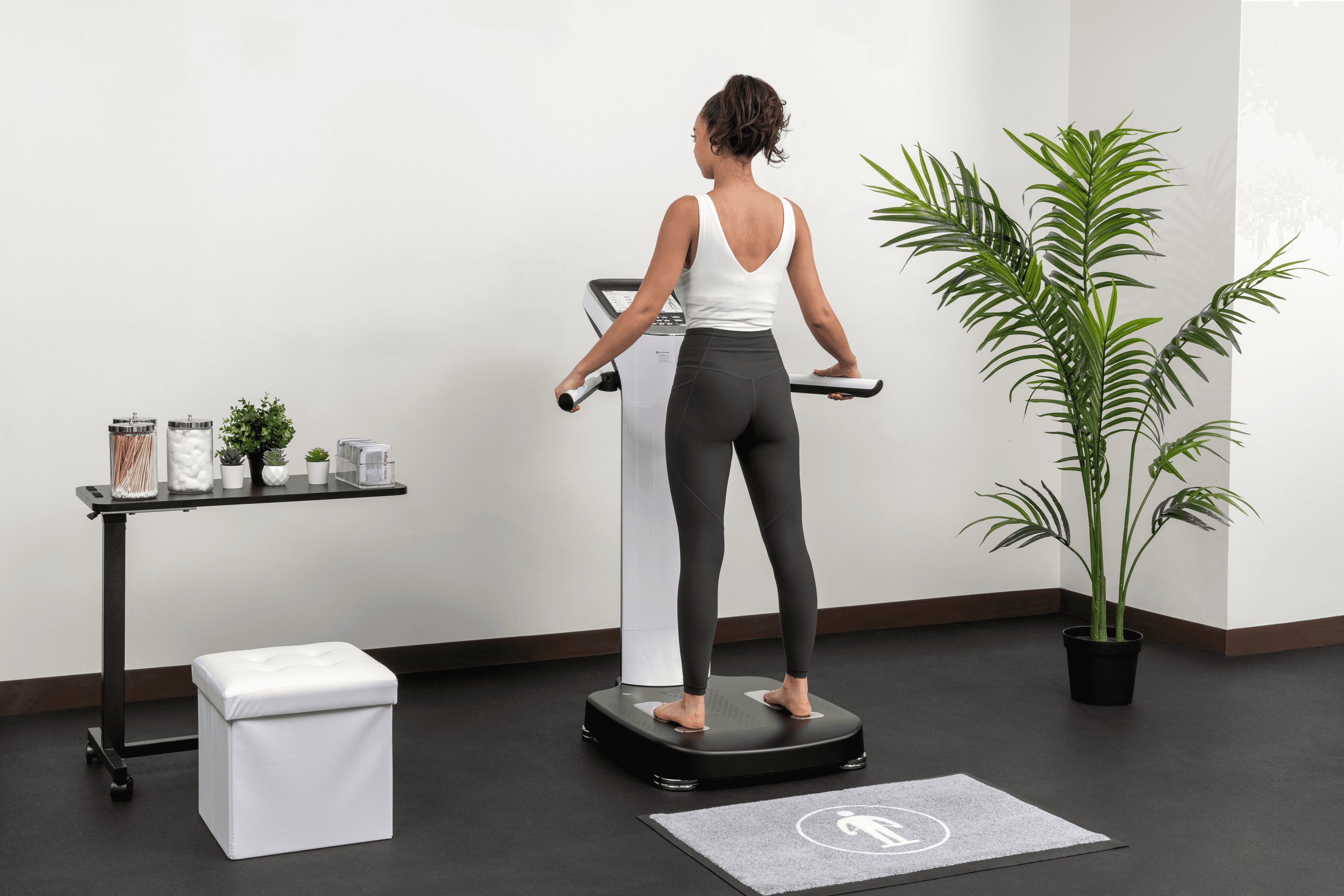
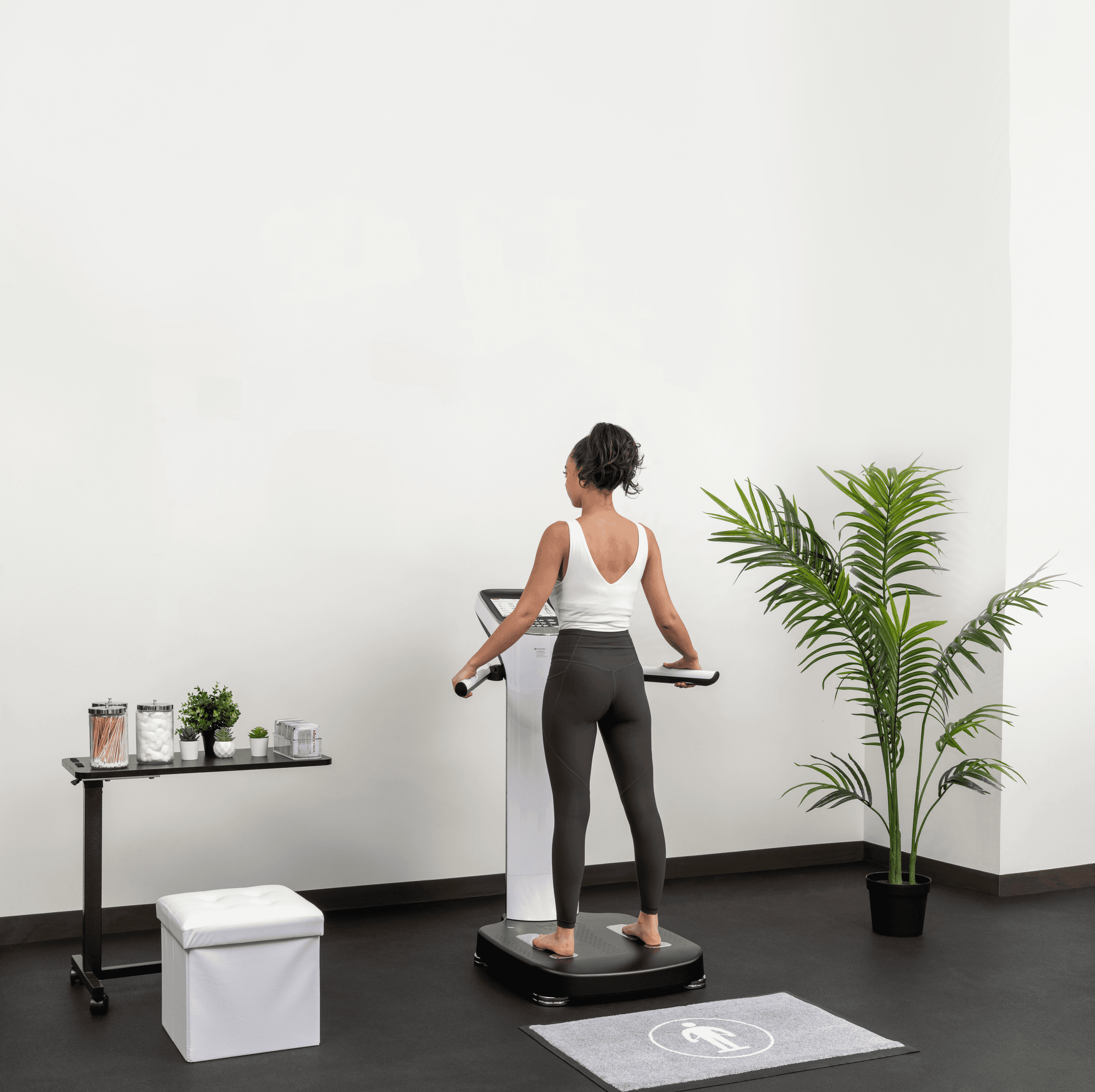
InBody body composition machines use bioelectrical impedance analysis (BIA); they send a low electrical current through your body and measure the resistance from different tissues. What sets InBody apart from consumer-grade BIA devices is that it uses multiple frequencies and segmental analysis (measuring each limb and your trunk separately), which produces a much more detailed and accurate result.
You'll often find InBody machines at gyms, fitness studios, and sports medicine clinics. A full InBody scan gives you not just body fat percentage but also segmental muscle mass, visceral fat levels, and your basal metabolic rate, all genuinely useful data points. Accuracy is generally considered quite good, though hydration levels and testing conditions can still influence results.
DEXA Scan
DEXA (Dual-Energy X-ray Absorptiometry) is widely regarded as the gold standard for body composition measurement. Originally developed for bone density testing, it produces detailed segmental data showing exactly where fat and lean mass are distributed throughout your body.
The accuracy of DEXA is excellent; margins of error are typically 1–2%, compared to 3–8% for many other methods. The downside is access and cost. DEXA scans are usually found at medical facilities, sports science labs, or specialized body composition clinics, and they typically run $50–$150 per scan. If you want the most reliable single measurement of your body fat, this is it.
Skinfold Calipers
Skinfold calipers measure subcutaneous fat (the fat just under your skin) at specific sites on your body. Common sites include the abdomen, thigh, chest, and tricep. These measurements are then plugged into a formula to estimate total body fat percentage.
When done by a trained professional using a validated formula (like the Jackson-Pollock 7-site method), calipers can be reasonably accurate, typically within 3–4%. The major limitation is consistency: results vary significantly based on the skill of the person doing the measurement and whether the exact same sites are pinched each time. As a tracking tool over time with the same practitioner, they work well. As a one-off measurement, less so.
At-Home BIA Scales
Consumer bathroom scales with bioelectrical impedance (those that send a current through your feet) are the most accessible option, but also the least accurate. Studies have shown that many consumer BIA devices can be off by 5–8 percentage points depending on hydration status, time of day, and individual factors.
This doesn't mean they're useless. If you use the same scale, at the same time of day, under the same conditions (before eating, after using the bathroom, well-hydrated), the trend over weeks and months can be informative even if the absolute number isn't perfect. Just don't make major fitness decisions based on a single reading from a $40 bathroom scale.
How to Improve Body Composition from 18%
If your goal is to improve body composition, whether that means lowering fat, building muscle, or both, several evidence-based strategies are commonly used.
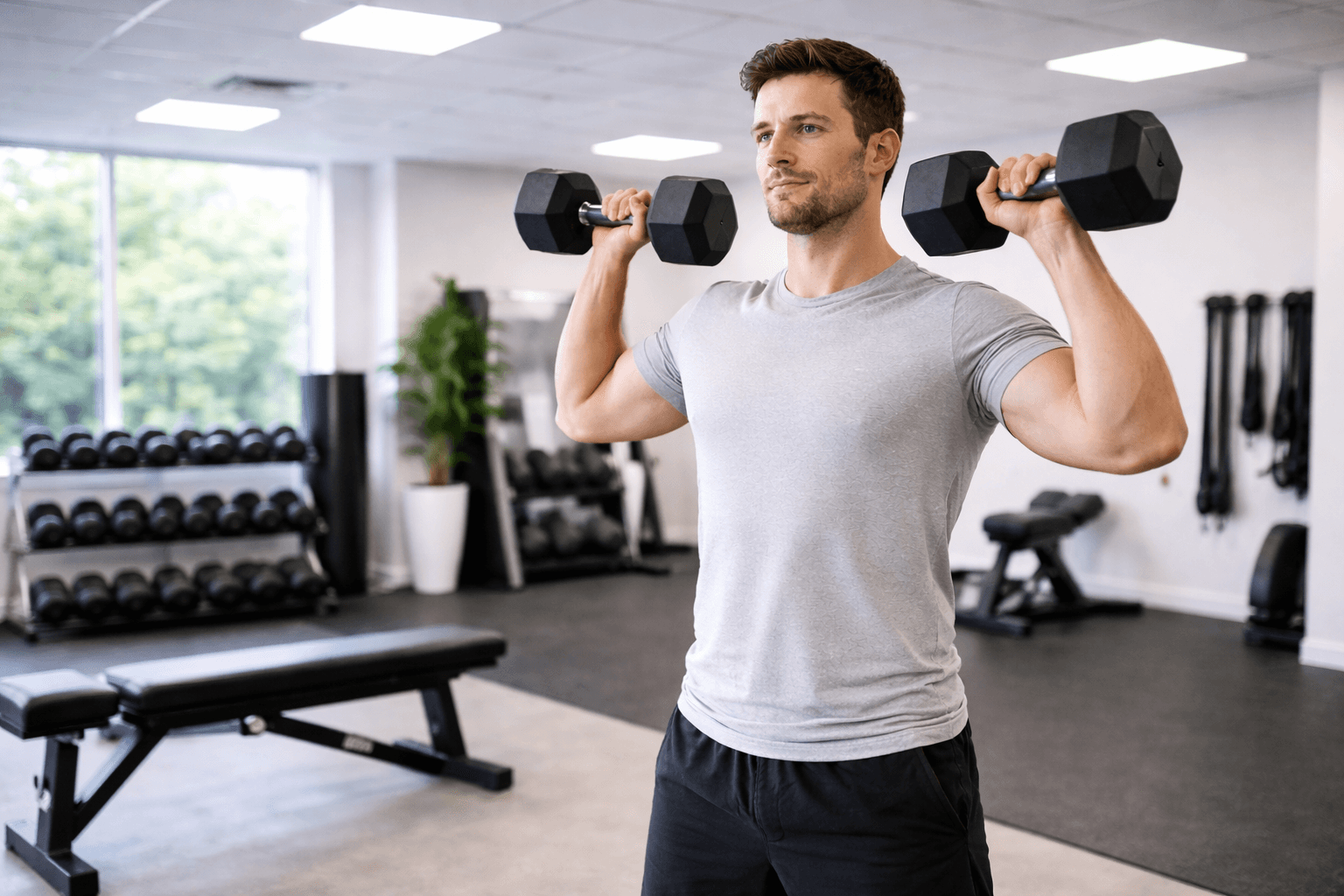
Resistance training plays a central role. Building muscle is one of the most important factors in long-term body composition. More muscle mass means a higher resting metabolic rate, better glucose metabolism, and a leaner appearance even at similar body fat percentages. Many muscle-building programs include 3 to 4 sessions per week and use progressive overload, gradually increasing training demands over time.
Adequate protein intake matters. For body recomposition, protein plays an important role in preserving or building lean mass. Research commonly supports higher protein intake for people engaged in regular strength training. This helps preserve lean mass during a caloric deficit and supports muscle repair after training.
A modest caloric deficit is commonly used when fat loss is the goal. Aggressive calorie restriction is generally unnecessary when moving from 18% toward 15%. A deficit of 300–500 calories per day is commonly associated with steady fat loss (roughly 0.5–1 pound per week) while minimizing muscle loss. Aggressive cuts often backfire by causing muscle breakdown and metabolic adaptation.
Sleep and stress management also matter. Chronically elevated cortisol, from poor sleep, high stress, or overtraining, actively promotes fat storage, particularly around the abdomen. Getting 7 to 9 hours of quality sleep per night is strongly associated with better recovery and body composition outcomes.
Tracking body composition, not just body weight, provides a clearer picture of progress. Scale weight alone may not reflect body recomposition accurately, because muscle and fat can shift simultaneously. Regular body composition checks can provide a clearer picture of whether an approach is working over time.
Key Takeaways
18% body fat for men falls at the border of the "fitness" and "acceptable" ranges. It is generally considered healthy, with room for improvement if greater definition or athletic performance is the goal.
18% body fat for women is in the athletic category, lean, healthy, and a level that reflects consistent training and good nutrition.
Visible abs at 18% body fat are unlikely for most men; more achievable for women, depending on muscle development.
Improving body composition from 18% generally involves resistance training, adequate protein, a moderate caloric approach, and consistent sleep.
Tracking body composition over time gives you far more useful data than scale weight alone.
Bottom Line
18% body fat is a solid, healthy place to be. For most people, it's not a crisis number that demands immediate action. What it is, though, is a useful data point that opens the door to smarter decisions about your training and nutrition.
For women, 18% body fat is already considered lean and athletic by most standards. For men, moving from 18% to 15–16% may be achievable without extreme measures, depending on goals and consistency.
Body composition testing can help put results in context and support realistic goal-setting. 18% can be a useful starting point depending on your goals.