October 2, 2019
Editor’s Note: This post was updated on December 18, 2025, for accuracy and comprehensiveness. It was originally published on October 2, 2019.
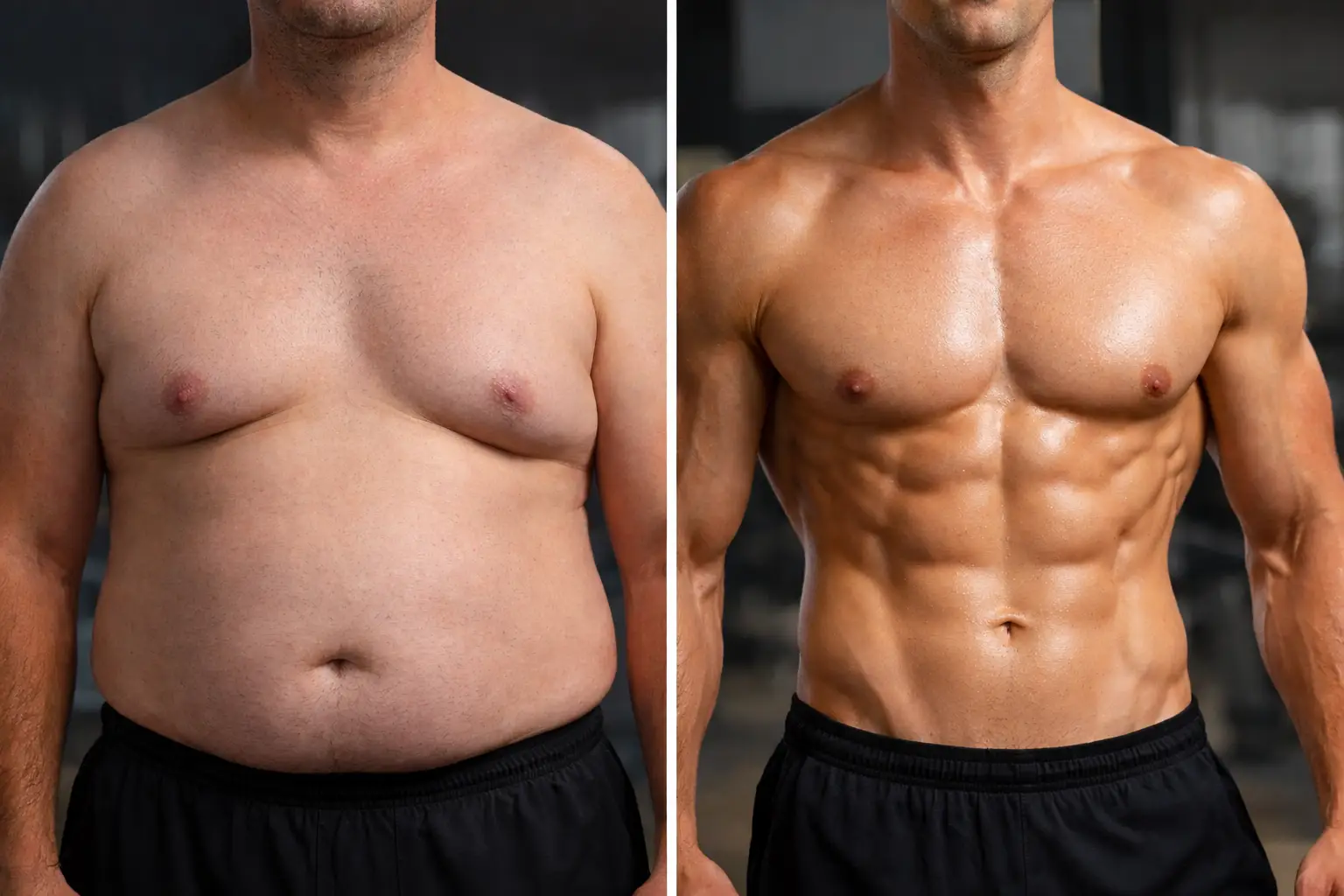
When it comes to health and fitness, there is a lot of bad advice out there. There are two common misconceptions about body composition and diet:
Decrease carbohydrates for weight loss
Only increase protein for muscle growth
However, carbohydrates play a crucial role in muscle growth, workout performance, and recovery that's hard to replicate with other macros alone. While protein gets the spotlight, carbs are the unsung hero working behind the scenes to fuel your lifts, preserve muscle tissue, and optimize the hormonal environment your body needs to grow.
Let's dig into the science, the strategy, and what actually happens inside your muscles when you prioritize, or skip, carbs.
Why You Need Carbs for Building Muscle?

Think about it: building anything takes a lot of time, energy and resources. Building muscle is no different. The body requires a lot of energy to power through workouts that result in bigger, stronger muscles. Where does the body get most of that energy? Usually from carbs.
Here's how they directly support your gains:
Carbs are a long-term energy source
Out of all the energy sources for the human body, researchers have found that carbohydrates are the main source of energy in the human diet. And you can't build muscle if you can't perform in the gym. And performance is directly tied to energy availability.
Carbs provide quick, efficient fuel for high-intensity activities like lifting weights. Fat and protein can supply energy too, but they're slower to mobilize and less effective for explosive, anaerobic efforts. If you've ever tried a heavy squat session on a low-carb diet, you know the difference. Your muscles feel flat, your strength drops, and your endurance tanks.
Adequate carb intake ensures you can train hard, maintain volume, and push for progressive overload week after week, all critical for muscle growth.
Carbs help regulate muscle glycogen repletion
Glycogen is a stored carbohydrate in your muscles and liver, and it's your body's preferred fuel during intense exercise. When you lift weights, especially during high-volume or high-intensity sessions, your muscles burn through glycogen fast.
After your workout, your body needs to replenish those glycogen stores. Consuming carbs post-workout (and throughout the day) ensures your muscles are fully stocked and ready for the next session. If glycogen levels stay chronically low, your performance suffers, and so does your ability to progressively overload.
Carbs prevent muscle degradation
When carbohydrate intake is too low, your body starts looking for alternative fuel sources. And guess what's on the menu? Your muscle tissue.
In the absence of adequate carbs, your body can break down amino acids from muscle protein through a process called gluconeogenesis to create glucose for energy. This is especially true during prolonged or intense training sessions.
A Netherlands study compared a low-carb diet to other diets and found that restricting carbs results in protein loss. By keeping carb intake adequate, you provide your body with readily available energy, sparing your muscle protein for what it's meant to do: repair and grow.
Carbs help muscles recover from exercise
The role that carbs play in recovery goes back to glycogen stores. Immediately after exercise, athletes need to replenish their glycogen stores in order to prevent glycogen depletion.
Glycogen depletion, when glycogen stores have run out, causes gluconeogenesis. This is when the body forms glucose from new sources to compensate for the lack of glucose from carbohydrates. When this happens, the body turns to sources like fat and protein to fill this need. Protein acts as the last line of defense when energy is required, meaning that energy accessibility is running very low.
When the body breaks down protein to make more glucose, it takes from the muscle, causing them to waste away. Replenishing glycogen stores with complex carbs is important to prevent protein breakdown and muscle wasting.
Carbs promote hormonal balance for muscle growth
Carbs don't just fuel your muscles, they influence your hormones, too. Specifically, they help maintain healthy levels of testosterone and thyroid hormones, both of which are essential for muscle building and metabolic health.
Chronic low-carb intake, especially when combined with intense training, can suppress testosterone and elevate cortisol. High cortisol is catabolic, meaning it promotes muscle breakdown and fat storage, particularly around the midsection.
On the flip side, consuming enough carbs helps keep cortisol in check and supports an anabolic hormonal environment. This balance is especially important if you're training frequently or in a calorie deficit.
Carbs enhance hydration and electrolyte balance
Carbohydrates play a big role in maintaining hydration status and electrolyte balance during exercise. This happens because glycogen binds to water in the body.
During exercise, muscle cells are not only working hard but also dehydrating from the energy demands. When carbs are stored as glycogen, the body retains water along with it. This water retention within muscle fibers helps to maintain the electrolyte balance needed for proper muscle contraction and function. Without adequate carbs, muscles can become dehydrated, leading to premature fatigue, cramps, and suboptimal performance.
Carbs improve mental focus and motivation
Carbs not only fuel your muscles but also support mental energy, focus, and motivation. When you’re training hard, mental focus can sometimes slip if your body is energy-deprived.
Since glucose is the brain’s primary fuel source, having sufficient carbs ensures that your mental faculties stay strong throughout your workout. Low-carb states can result in brain fog, poor concentration, and reduced mental stamina, which can make it harder to push through tough sessions.
How Many Carbs Should You Eat Per Day to Build Muscle?
So how many carbs do you actually need? The answer depends on your body weight, training intensity, and overall goals, but here's a general framework.
For most people focused on building muscle, aim for 3 to 5 grams of carbs per kilogram of body weight per day. If you're training intensely (lifting 5-6 days a week, doing high-volume sessions), you might need closer to 5-7 grams per kilogram.
Generally, very low carb consumption (<5%) is used for weight loss, while adequate carb consumption (55-60%) is used for muscle gain.
Timing matters too. Prioritize carbs around your workouts, before for energy, and after for recovery. The rest can be spread throughout the day to maintain steady energy levels and support overall metabolic function.
Complex Carbs
Complex carbohydrates should make up the bulk of your intake. These are digested more slowly, providing sustained energy and stable blood sugar levels. They're also packed with fiber, vitamins, and minerals that support overall health.
Great sources include:
Oats
Brown rice
Quinoa
Sweet potatoes
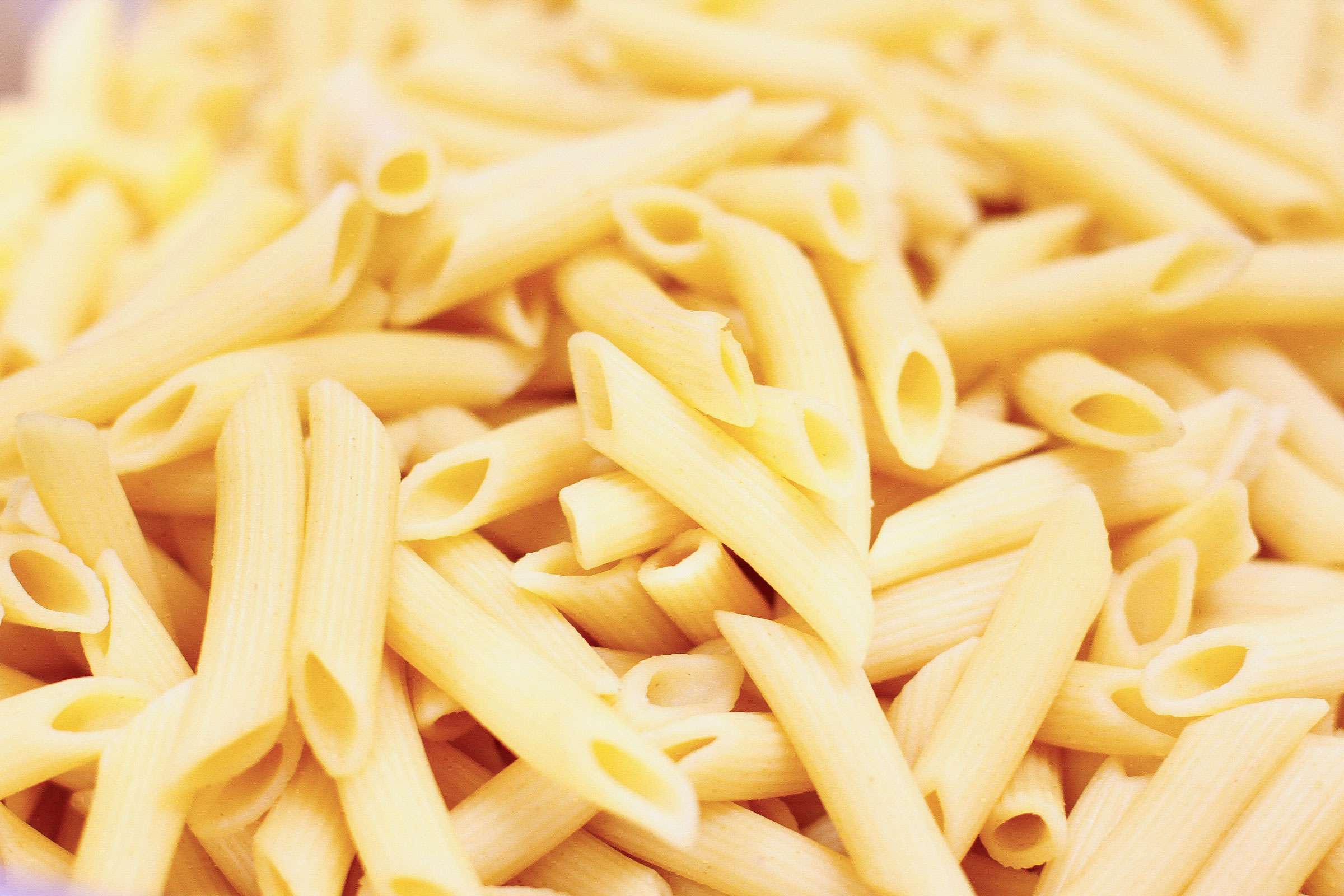
Whole grain bread and pasta
Legumes (beans, lentils)
These foods keep you full, support digestion, and fuel long training sessions without the crash that comes from simple sugars.
Simple Carbs
Simple carbs get a bad rap, but they have their place, especially around workouts. Because they're absorbed quickly, they're ideal for providing immediate energy before a session or rapidly replenishing glycogen afterward.
Good options include:
Fruit (bananas, berries, apples)
White rice
Rice cakes
Honey
Sports drinks or dextrose powder (post-workout)
The key is context. Simple carbs are useful when you need fast fuel, but they shouldn't dominate your diet. Balance is everything.
What Happens to Muscle When Carbs are Low?

When you drastically cut carbs, especially while training hard, your body enters survival mode. And muscle growth? That's not a priority when your body is scrambling for fuel.
Now that we know how important carbs are to build muscle, let’s discuss some of the possibilities when carbs are restricted:
Muscle Breakdown for Fuel: When carbs are insufficient, your body turns to protein for energy. It breaks down muscle tissue to access amino acids, which are then converted into glucose via gluconeogenesis. This process can lead to muscle wasting if carbs aren’t available to fuel your workouts.
Decreased Performance: Carbs are the body’s main energy source during high-intensity exercise. When glycogen stores are low, muscle strength decreases, and fatigue sets in quicker.
Slower Recovery: Post-workout recovery is heavily dependent on glycogen replenishment. Without sufficient carbs, glycogen stores remain depleted, slowing down muscle recovery and prolonging muscle soreness. This leads to slower repair of muscle tissue, delaying the ability to push hard in future workouts.
Impaired Muscle Growth: Since carbs support protein sparing, a lack of carbs forces the body to rely more on protein for energy, which can stunt muscle growth.
Key Takeaways
You don't technically need carbs to build muscle, but they significantly improve workout performance, recovery, and muscle growth efficiency.
Carbohydrates replenish muscle glycogen stores after training, which is essential for sustained performance and progressive overload.
Adequate carb intake prevents muscle breakdown by providing readily available energy, sparing protein for muscle repair and growth.
Aim for 3 to 5 grams of carbs per kilogram of body weight daily to build muscle, with higher amounts needed for intense training schedules.
Carbs support an anabolic hormonal environment by maintaining healthy testosterone levels and keeping cortisol in check.
Prioritize complex carbs like oats, sweet potatoes, and brown rice for sustained energy, and use simple carbs like fruit strategically around workouts.
FAQs
Isn't protein more important than carbs for building muscle?
Protein is absolutely critical, it provides the building blocks (amino acids) your muscles need to repair and grow. But carbs are what allow you to train hard enough to stimulate growth in the first place, and they create the metabolic environment for protein to do its job effectively.
Think of it this way: protein is the construction material, but carbs are the energy and workforce that make construction possible. You need both. Prioritizing one at the expense of the other will limit your results. A well-rounded muscle-building diet includes adequate protein (roughly 1.6–2.2 grams per kilogram of body weight) and sufficient carbs to fuel performance and recovery.
Do you need carbs to build muscle effectively?
While technically not required, carbs significantly enhance muscle growth by fueling intense workouts, replenishing glycogen stores, preventing muscle breakdown, and supporting hormonal balance. Building muscle without adequate carbs is slower and less efficient.
When is the best time to eat carbs for muscle building?
Prioritize carbs around your workouts - before training for energy and after for glycogen replenishment and recovery. Post-workout carbs paired with protein optimize insulin response, shuttling nutrients into muscles for repair and growth.
Can you build muscle on a low-carb or keto diet?
Yes, but muscle growth is typically slower and requires careful planning. Low-carb diets can compromise workout performance, reduce glycogen availability, and create hormonal imbalances that make muscle building less efficient than moderate-to-high carb approaches.
Are simple carbs or complex carbs better for building muscle?
Both serve different purposes. Complex carbs like oats and sweet potatoes provide sustained energy and should form your dietary foundation, while simple carbs like fruit and white rice are ideal around workouts for quick fuel and rapid glycogen replenishment.
**
Lacey Bourassa is a health and wellness writer in Southern California. Her areas of expertise include weight loss, nutrition, and skin health. She attributes her passion for healthy living to her plant-based diet. You can find out more about Lacey at WrittenByLacey.com.