15% body fat is often seen as a balanced goal: it is lean enough to show muscle definition, but not so low that it feels extreme or hard to maintain.
Many people interested in fitness aim for this range because it can look athletic while still supporting energy levels, strength, and overall health.
But what does 15% body fat look like? Is it realistic for both men and women? And how can you measure it the right way?
In this guide, we’ll explain what 15% body fat really means and how to get there safely using reliable body composition tracking.
What Is Body Fat Percentage?
Body fat percentage tells you how much of your body weight comes from fat. Everything else falls under lean mass, which includes muscle, bones›, organs, and water.
This is why you can have two people who weigh exactly the same but look very different. One may have more muscle, while the other has more fat.
So, looking at the number on the scale is never enough. Instead, checking your body fat percentage is more helpful than scale weight alone. This way, you can understand how your body is actually built and how it supports your health and performance.
What Does 15% Body Fat Actually Look Like?
A number on a chart does not mean much until you can picture it.
15% Body Fat on Men
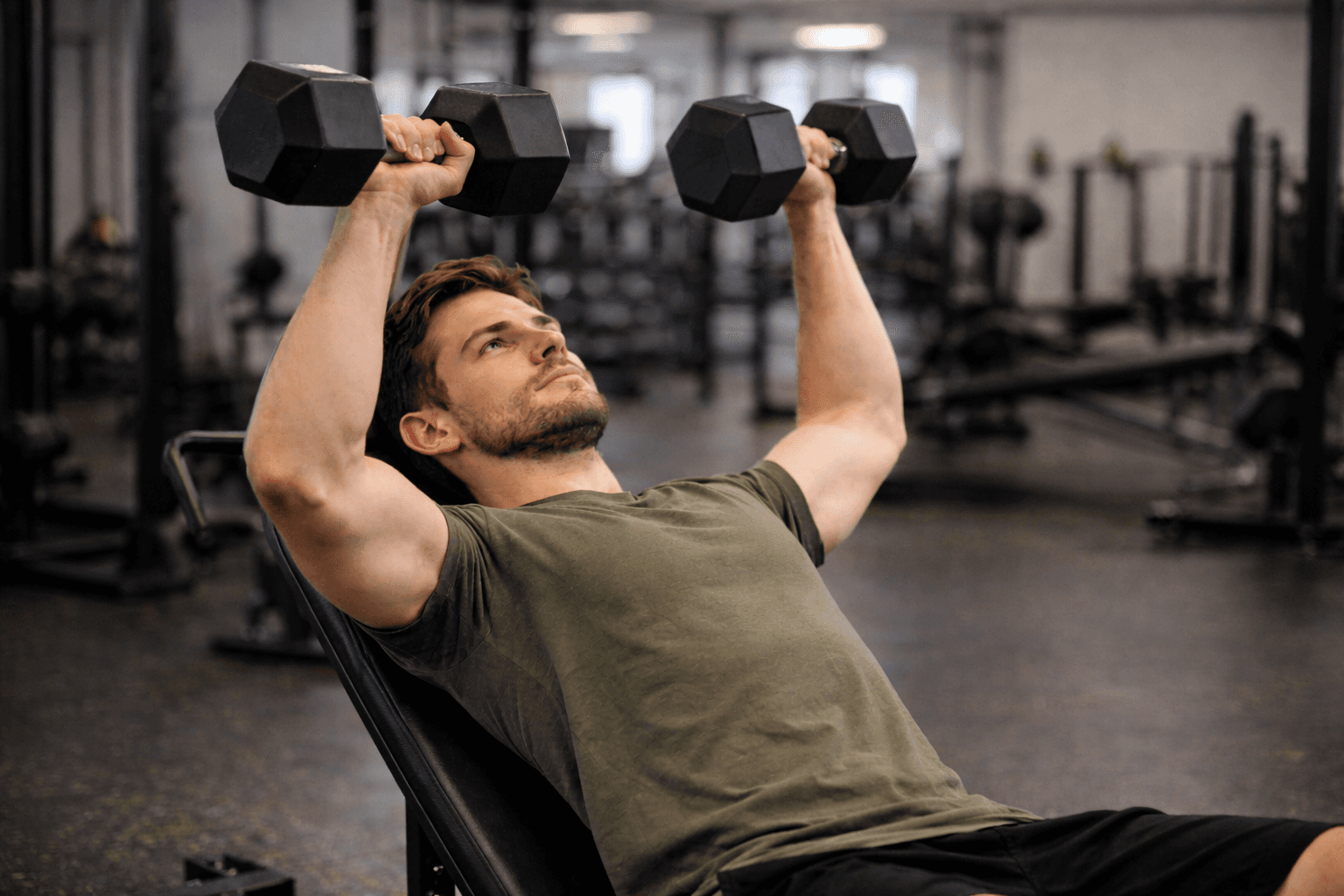
At this level, you will usually see visible upper abdominal definition, often a very clear four-pack outline. The chest and shoulders show separation, especially when you flex. Arms look firm and defined, with some moderate vascularity.
There is minimal fat around the waist, and the lower abdomen typically appears flat, though not deeply shredded. It is the result of consistent training, balanced nutrition, and reflects a physique that is both strong and sustainable.
For most adult men, 15% represents a healthy and sustainable level of leanness.
Age | Essential Fat | Athletic | Fitness | Average | Obese |
20–29 | 2–5% | 6–13% | 14–17% | 18–24% | ≥25% |
30–39 | 2–5% | 7–14% | 15–18% | 19–25% | ≥26% |
40–49 | 3–6% | 8–15% | 16–19% | 20–26% | ≥27% |
50+ | 4–8% | 9–17% | 17–20% | 21–28% | ≥29% |
15% Body Fat on Women
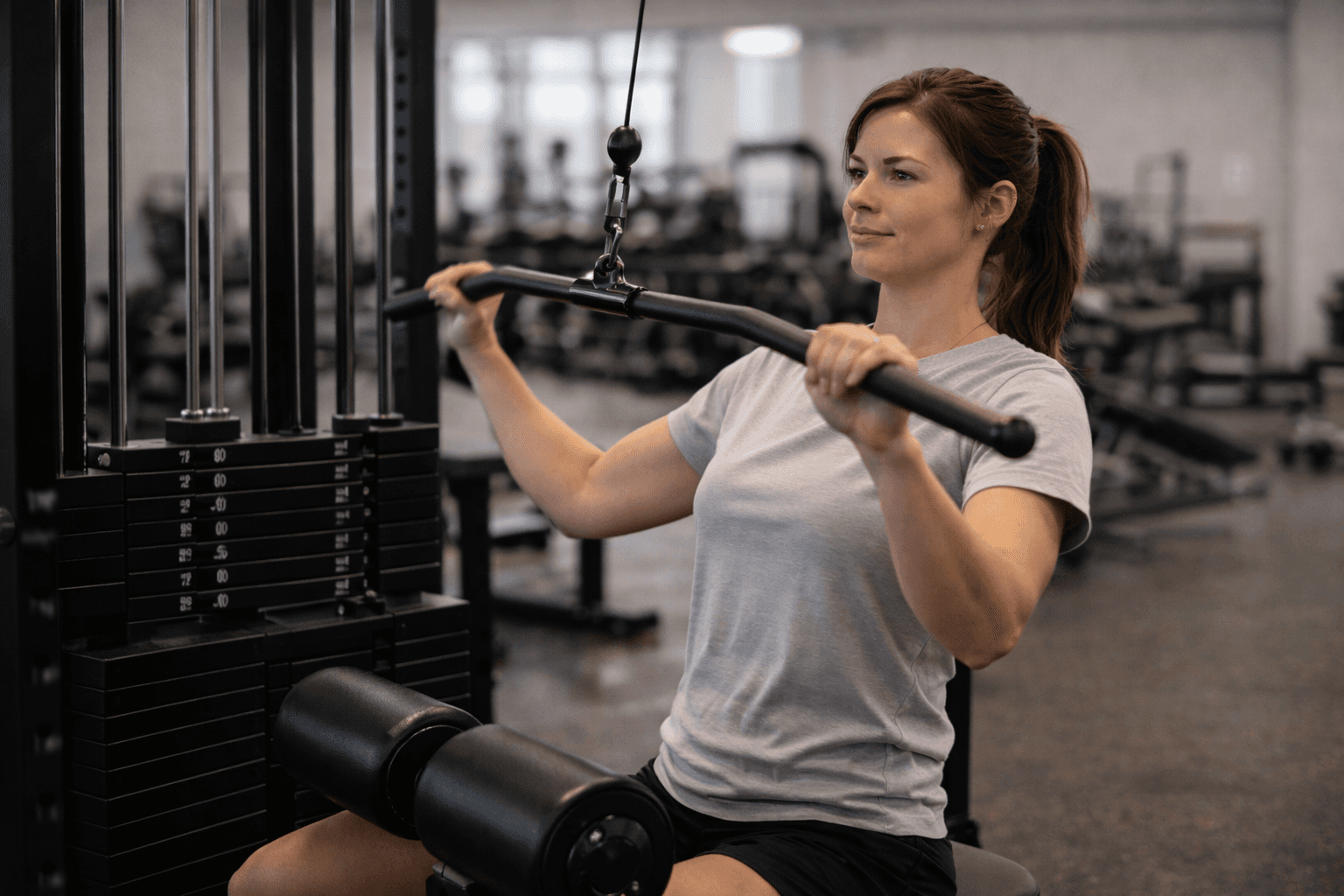
For women, 15% body fat physiologically means something very different than it does for men.
Naturally, the body of a woman carries more essential fat to support hormone production and reproductive health. Think of it this way: for men, essential fat is usually around 2% to 5%, but for women, it is around 10% to 14%. So, at 15%, most women are considered to be in the athletic range.
At this percentage, you will likely see visible abdominal definition, clear muscle separation in the arms and legs, and very little lower body fat. The overall appearance is lean and toned.
That said, this level is not sustainable for everyone because maintaining 15% long term may lead to menstrual irregularities or hormonal disruption for some women. It can get worse, especially if calorie intake is too low or training volume is very high.
For this reason, 15% body fat should be an athletic goal rather than a general health target for most women.
Age | Essential Fat | Athletic | Fitness | Average | Obese |
20–29 | 10–13% | 14–20% | 21–24% | 25–31% | ≥32% |
30–39 | 10–14% | 15–21% | 22–25% | 26–32% | ≥33% |
40–49 | 11–15% | 16–22% | 23–26% | 27–33% | ≥34% |
50+ | 12–16% | 17–23% | 24–27% | 28–35% | ≥36% |
Why Do So Many People Aim for 15% Body Fat?
There is a reason this number comes up so often in gyms and online fitness conversations. For many people, 15% represents a balance between looking defined and maintaining a sustainable lifestyle. Lean, but not extreme.
Visible Muscle Definition
At 15%, muscle starts to show clearly and can be relatively easy to maintain, especially for men.
You can often see shape in the shoulders, arms, and midsection without needing to reach very low body fat levels. For many men, this level is considered realistic to maintain.
Improved Metabolic Health
From a health perspective, lowering excess body fat can improve several important markers. Research consistently shows that reducing fat mass, especially visceral fat around the organs, is linked to better insulin sensitivity, healthier cholesterol levels, and lower overall cardiometabolic risk.
But be careful. Visible abs do not necessarily translate to perfect health. A person can look lean and still have poor lifestyle habits, like smoking and drinking.
So, the goal shouldn’t just be to improve your physique but also to live in a healthy body.
3. Sustainability
Maintaining 15% body fat is much more realistic than maintaining 8% or 10%. You don’t have to be that strict with your food or do intense training.
This level is generally supported by consistent training, balanced nutrition, and adequate recovery.
No constant stress or extreme measures are typically required.
How to Calculate Your 15% Body Fat Target
To understand what 15% body fat means for you, you need to know your lean body mass.
Step 1: Determine Lean Body Mass
Lean body mass is everything in your body that is not fat. This means your muscles, bones, organs, and water. Once you know that number, you can estimate what your weight would be at 15% body fat.
This can be estimated using the following formula:
Lean Body Mass (LBM) = Total Body Weight – Fat Mass
For example, let’s suppose you weigh 180 lb and have 22% body fat:
Fat mass = 39.6 lb
Lean mass = 140.4 lb
So your lean body mass would be:
Lean body mass = 180 − 39.6 = 140.4 lb
In this example, the person’s lean body mass is 140.4 pounds. Preserving this lean mass supports strength, performance, and metabolic health during fat loss.
Aggressive dieting or insufficient protein and resistance training may lead to muscle loss alongside fat loss, reducing lean body mass.
Step 2: Calculate Target Weight at 15%
Now, let’s calculate what your target weight should be to maintain 15% fat.
To do that, we use this formula:
Target Weight = Lean Mass ÷ (1 – 0.15)
Let’s apply the numbers:
140.4 ÷ 0.85 ≈ 165 lb
That means you would need to lose approximately 15 lb of fat while maintaining lean mass. Visual assessment alone and scale weight may not accurately reflect changes in body composition. If you don’t track your lean mass, you might lose muscle along or instead of fat. This will jeopardize your goal.
This is why accurate body composition analysis is important.
Nutrition Strategy to Reach 15% Body Fat
You do not need a crash diet or a complicated meal plan to reach 15% body fat. Consistency is key. Remember the goal: lose fat while keeping your muscle.
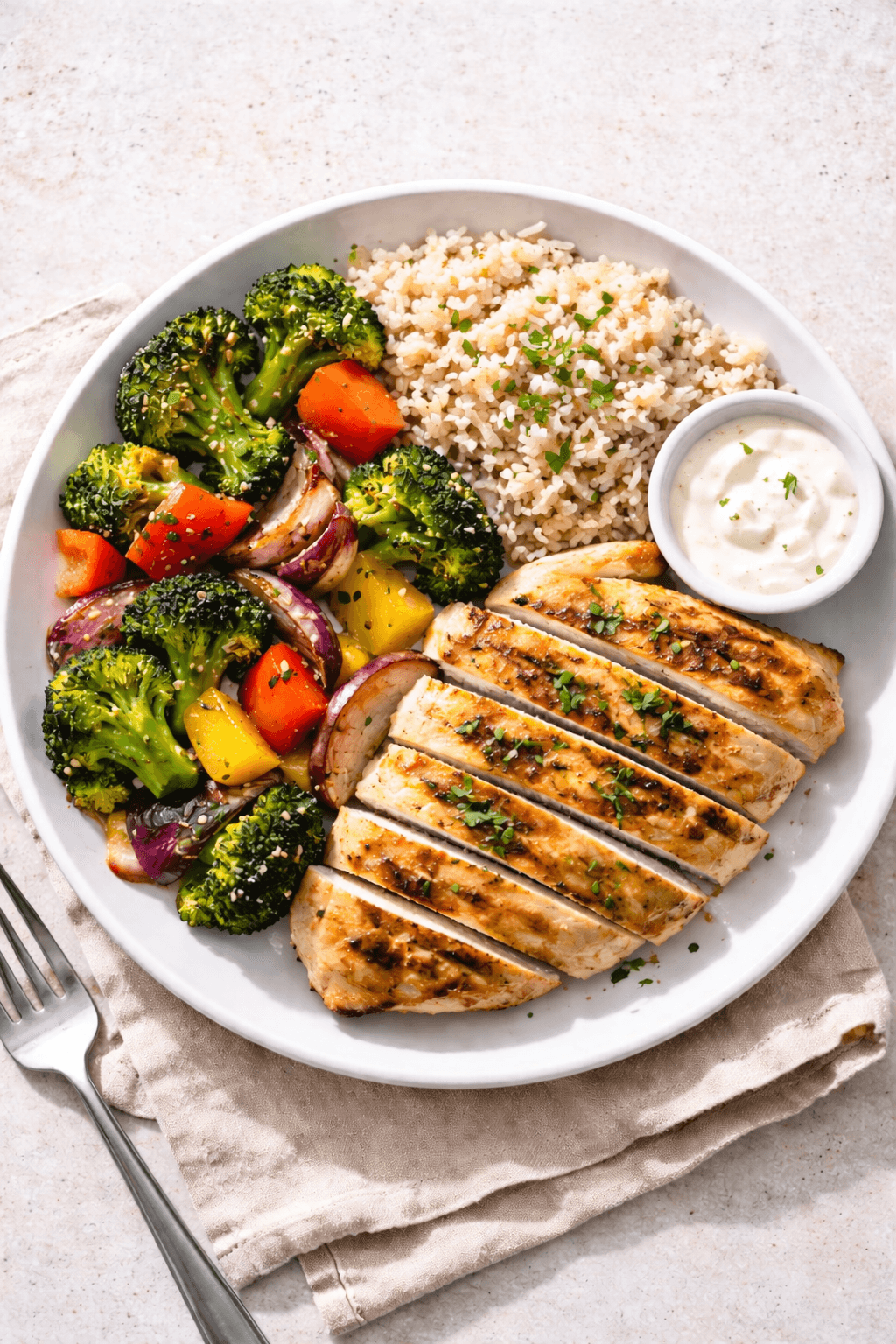
Create a Moderate Caloric Deficit
A moderate calorie reduction is typically sufficient. When you stay consistent, you’ll be losing around 0.5% to 1% of your body weight per week. You will also be protecting your muscles.
Prioritize Protein
Protein is your safety net during fat loss. It helps your body hold onto muscle while you are eating less. A good starting point is about 0.8 to 1 gram of protein per pound of body weight, or 1.6 to 2.2 grams per kilogram. For example, a 180-pound individual would fall within a range of roughly 144 to 180 grams of protein per day.
Getting that amount per day will support muscle retention, help you feel full, and slightly increase the number of calories your body burns during digestion.
Common whole-food protein sources include eggs, yogurt, chicken, tofu, and fish.
Balance Carbohydrates and Fats
Carbohydrates help you train hard. When your workouts stay strong, your body is more likely to hold onto muscle while you are losing fat. That is why cutting carbs too low can sometimes backfire.
Fats matter too. They support hormone health, so they should not drop too low. A good rule is to keep fats at around 20% of your total daily calories.
As you get leaner, fat loss may slow down. That is normal. Maintaining a consistent approach is important.
Training to Reach 15% Body Fat
Nutrition is important, but body composition at 15% also depends on preserving lean mass through training.
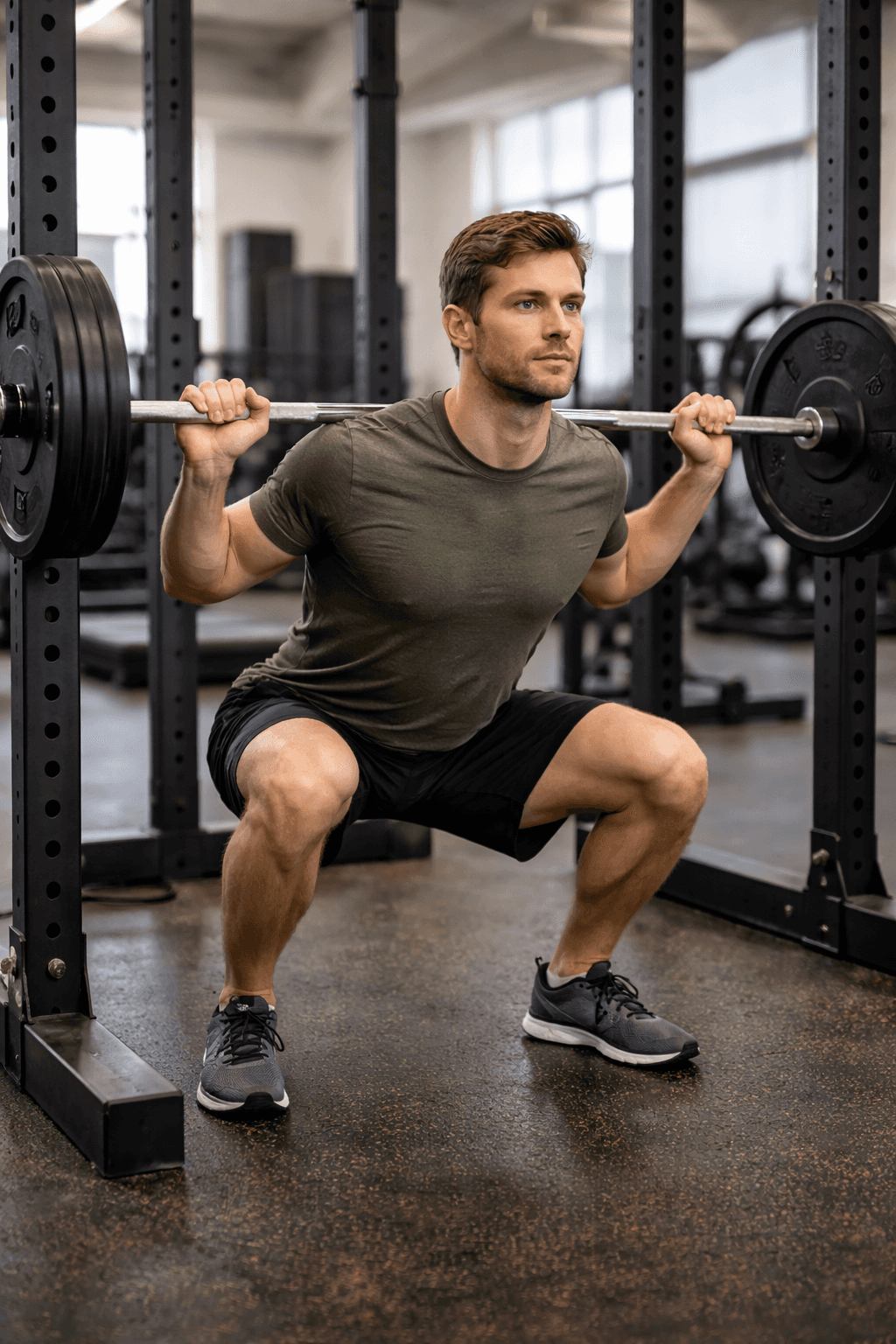
Resistance Training Is Essential
When you are in a calorie deficit but are not training properly, you will start to break down your muscles along with your fat. This highlights the importance of proper training.
Many programs include three to five strength sessions per week. Compound movements such as squats, presses, rows, and deadlifts are commonly used because they work multiple muscle groups at once.
Try to keep your weights and performance as stable as possible. If your strength is holding steady, that is usually a good sign that you are preserving lean mass.
Cardio: Strategic, Not Excessive
Cardio can help increase overall energy expenditure. Cardio should support an overall nutrition and training plan rather than replace it.
For many individuals, two to three steady sessions of about 30 minutes per week are sufficient. You can also include one or two higher-intensity sessions (HIIT) if you feel well recovered.
Daily walking can also serve as a lower-intensity alternative. It’s a very effective way to increase activity without stressing your body.
Excessive cardio may negatively affect recovery and increase the risk of muscle loss, especially when calorie intake is already low.
Lifestyle Factors That Impact Fat Loss
Your daily habits also play a big role in how your body responds to training and nutrition. Lack of sleep, high stress levels, and even alcohol intake can quietly sabotage your progress.

Sleep
Sleep plays an important role in fat loss and recovery. Getting at least seven hours of sleep per night supports recovery and metabolic health.
Sleep helps regulate hormones that control hunger and fullness, supports muscle recovery, and helps maintain training performance.
But when your sleep is inconsistent or short, your body’s cortisol levels rise, and hunger hormones become harder to manage. This can make you crave more food and make fat loss more difficult.
When sleep is consistently short, cortisol levels tend to rise, and hunger hormones become harder to manage. That can make cravings stronger and fat loss more difficult, even if your diet looks solid on paper.
Stress Management
When you’re constantly under stress, you will experience slower recovery and increased cravings. Over time, this can lead to more fat being stored around the abdomen.
Stress management is important. Small daily habits such as walking, breathing exercises, and reducing screen time may help support recovery.
Alcohol Intake
By drinking alcohol, you’re adding extra calories without much nutritional value. This can come in between your fat burning and sleeping quality.
Eliminating alcohol is not always necessary, but moderation may support fat loss because alcohol can make reaching 15% body fat more difficult.
Alcohol adds calories, reduces fat oxidation, and can impair sleep and recovery. Moderation is key.
How to Accurately Measure 15% Body Fat
By now, you understand that the scale alone cannot tell you what is happening inside your body. To know whether you are losing fat and keeping muscle, you need a reliable way to measure your body composition.
InBody Body Composition Analysis
InBody body composition devices use multi-frequency bioelectrical impedance to measure body composition. In simple terms, the device sends a very low-level electrical current through the body to estimate how much of your weight comes from fat and how much comes from lean tissue.
An InBody scan provides detailed information such as:
Total body fat percentage
Visceral fat level
Skeletal muscle mass
Lean mass distribution in each arm, leg, and the trunk
The test is non-invasive, takes only a few minutes, and makes it much easier to track progress over time instead of relying on mirrors or assumptions.
Skinfold Calipers
Skinfold calipers measure the thickness of fat under the skin at specific parts of your body. When performed by a trained professional using consistent techniques, results can be reasonably accurate, typically within about 3% to 5%.
For the most reliable results, have the same person take your measurements each time and try to do it under the same conditions.
Bioelectrical Impedance Scales
Many at-home body fat scales use bioelectrical impedance. This means that they send a small electrical current through the body and estimate fat levels based on how the current travels through different tissues.
This method is quick and convenient, but it helps you spot general trends. This is because results can change depending on how hydrated you are. If you are dehydrated, have just worked out, or even drank a lot of water, the number may shift. This means that the reading can vary from one day to the next.
DEXA Scans
DEXA scans use low-dose X-rays to assess fat mass, lean mass, and bone density across different regions of the body. They are highly accurate, often within 1% to 2%.
However, they can be costly, typically ranging from $75 to $150 per session, and may not be available in every location.
Hydrostatic Weighing
Hydrostatic weighing measures your body's density by comparing your weight on land to your weight underwater. It is considered highly accurate, generally within 1% to 3%.
This method requires specialized equipment and facilities. Because it involves going underwater, not everyone feels comfortable with it.
Comparison of Body Fat Measurement Methods
Method | Accuracy | Pros | Cons |
InBody | High | Fast, detailed, repeatable | Requires device |
DEXA | Very High | Highly detailed | Expensive, limited access |
Skinfold | Moderate | Affordable | Operator dependent |
BIA Scale | Moderate | Convenient | Hydration-sensitive |
Hydrostatic Weighing | High | Accurate | Specialized facility |
Key Takeaway
15% body fat represents a lean, defined physique for most men.
For women, 15% is athletic-level and may not be realistic or sustainable for everyone long-term.
Reaching this level safely requires a moderate calorie deficit and consistent strength training to protect muscle.
Sleep, stress management, and proper recovery directly affect fat loss and muscle retention.
Tracking body composition gives you a clearer picture than relying on the scale alone.
Most importantly, long-term success comes from choosing habits you can maintain, not quick fixes.
Bottom Line
For men, 15% body fat is a level that looks lean, feels strong, and can actually be maintained without living on a strict diet. For women, 15% is much leaner and closer to an athletic range, so it requires more intention and may not be the right long-term target for everyone.
The focus should be on improving body composition in a healthy way. That means keeping your muscle, managing visceral fat, using accurate measurements, and building habits you can actually maintain.